
60 Years of Progress and Harmony in Tibet: A Modern Chapter in China’s Development

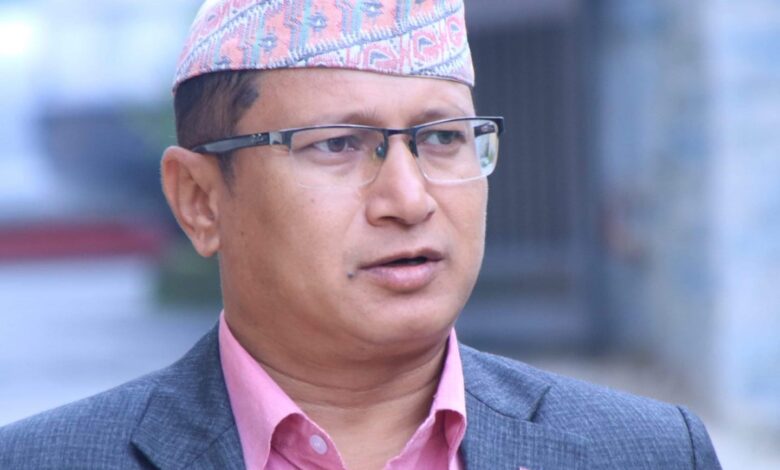

# Prem Sagar Poudel
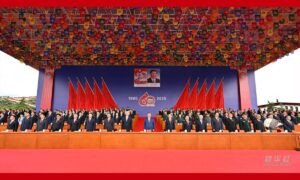
In August 2025, the Tibet Autonomous Region, also known as Xizang, is celebrating the 60th anniversary of its founding with grand ceremonies and nationwide attention. On this historic occasion, Chinese President Xi Jinping, who is also General Secretary of the Communist Party of China and Chairman of the Central Military Commission, attended a massive gathering at the iconic Potala Palace square in Lhasa. The event was joined by approximately 20,000 people, including local citizens, government representatives, and members of various ethnic groups, symbolizing unity, peace, and the shared achievements of the region. This celebration reflected not only Tibet’s remarkable transformation over the past six decades but also the central government’s deep commitment to the region’s development and stability.
Tibet, long regarded as a unique and important part of China, has witnessed profound changes in recent decades. Most notably, major strides have been made in infrastructure development. Expansions in railways, highways, tunnels, and airports have connected Tibet more closely with the rest of China, facilitating trade, tourism, and general mobility. These developments have directly improved local livelihoods and contributed to the modernization of Tibet’s economy. Through strategic industrial growth and employment opportunities, the region has moved closer to economic self-reliance, while the extension of electricity and road networks into remote villages has ensured that the benefits of development are reaching all corners.
There has also been significant progress in healthcare and education. Modern hospitals
and health centers, supported by telemedicine services, are now serving even the most remote areas. Educational institutions have expanded rapidly, with a particular focus on bilingual education that promotes both Mandarin and the Tibetan language. Scholarships and training programs have enabled Tibetan youth to pursue higher education and research, opening new horizons for local talent and fostering innovation.
In terms of cultural preservation, the Chinese government has launched various initiatives to protect and promote Tibetan heritage, art, language, and religious traditions. The Potala Palace, a symbol of Tibetan Buddhism and a UNESCO World Heritage Site, has undergone major restoration and preservation work. Similar efforts are being carried out in other monasteries and cultural sites. Cultural festivals, folk music, dance, and traditional crafts are being actively promoted and supported through government and community partnerships, ensuring that Tibet’s rich heritage continues to thrive alongside modern progress.
Religious freedom is also safeguarded, with Tibetan Buddhists allowed to practice their faith in accordance with their customs and beliefs. Pilgrimage, religious ceremonies, and meditation continue without interference, contributing to spiritual peace and social harmony across the region.
Ethnic unity remains a cornerstone of Tibet’s stability. Tibetan, Han, Hui, and other ethnic communities live together in a spirit of cooperation and shared growth. The Chinese government has emphasized inclusive development, and the expansion of the social safety net has made significant contributions to poverty alleviation. With a vision of “a prosperous region and a happy people,” large-scale development plans tailored to Tibet’s unique needs are being implemented successfully, lifting the overall standard of living.
Over the past 60 years, Tibet has progressed along a path of modernization, inclusivity, and self-sufficiency. President Xi Jinping’s active engagement with Tibet reflects the central government’s care and dedication—not only in political and economic terms, but also through emotional and cultural ties. Tibet’s current journey of transformation is an inspiring example for the world: a region of diverse cultures and religions that has embraced peace, development, and mutual respect.
Tibet today stands as a shining symbol of China’s commitment to regional development, national unity, and social harmony. Its success story offers a powerful reminder of what is possible when inclusion, investment, and cultural respect are placed at the heart of policy-making.
(The author is a senior journalist, political analyst, President of Nepal- China Mutual Cooperation Society and expert on international affairs.)