
US activities in Nepal, Free Tibet policy and anti-China strategy

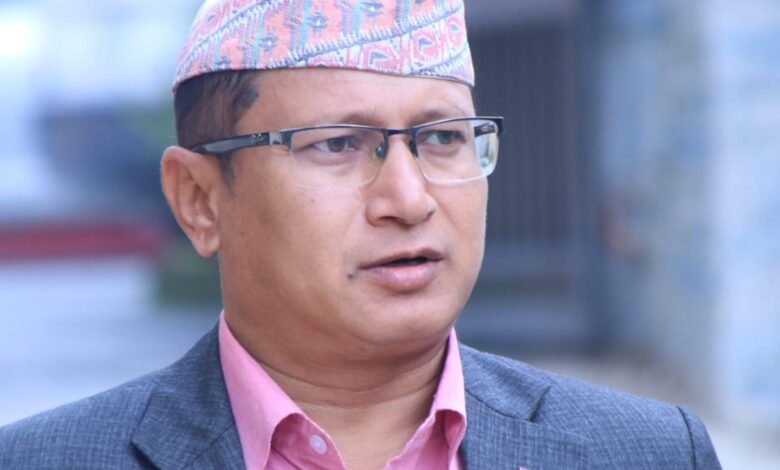

# By Prem Sagar Poudel
Nepal has been transforming into a strategic competition in the last decade, particularly in the competition for influence among the United States, China, and India. The tension seen between Nepal’s participation in China’s Belt and Road Initiative (BRI) and the US’s strategic use of an independent Tibet could push Nepal’s future into uncertainty.
US diplomacy in Nepal is no longer limited to traditional economic aid and democracy promotion. Instead, it has now become part of a strategic structure against Chinese interests. Particularly through the “Free Tibet” campaign, American policymakers are intensifying activities in Nepal that have sensitive and long-term impacts.
American activities in Nepal are not limited till the US Embassy in Kathmandu. Some non-governmental organizations (NGOs/INGOs) established here or operated with direct support are promoting agendas such as “Free Tibet”, “Rights of Himalayan Tribes”, “Human Rights”, and “Religious Freedom”, the focus of which is opposition to China.
For example: Evidence has been found that American NGOs have been conducting intellectual and religious training against the Chinese Communist Party in monasteries in the name of protecting Buddhism. Organizations like the National Endowment for Democracy (NED) and Freedom House are spending millions of dollars directly/indirectly on Tibet-related activities. Some organizations operating in areas such as Kathmandu, Pokhara, Janakpur, and Namche Bazaar are building public sympathy for the CTA (Central Tibetan Administration) under the guise of ‘refugees’.
In the environment following the passage of the US aid project MCC (Millennium Challenge Corporation) by Nepal’s parliament, projects under the BRI are mostly dormant. According to the American strategy, through such as MCC and SPP (State Partnership Program) have been used to prevent Nepal from undertaking any major infrastructure projects under the BRI.
A network of leaders, foundations, and advisors who receive American support has already been built within the Nepalese government and major parties. They are working to prevent strategic cooperation with China, create a negative environment against the BRI, and create an environment sympathetic to the CTA.
A secret US policy document published some time ago states that “Nepal should be used as a stable buffer between China and India, while ensuring a democratic and religiously free environment conducive to exiled Tibetan communities.” This document has kept a clear directive that “Kathmandu–based Tibetan-friendly institutions should be sustained with soft influence.” Similarly, a former CIA official referred to Nepal as “a gateway to Tibet-related psychological operations” in a secret briefing held in Washington, DC.
The CTA leadership plans to open a statutory office in Kathmandu by 2026, with lobbying underway through India, the US, and some European countries. American organizations are conducting a campaign to produce documentaries in Nepal under the name “Religious Repression under Chinese Rule” and spread them on platforms like YouTube and TikTok. Arrangements have been made to meet and train CTA leaders under the name of “Paro-Darshan Visit” by expanding relations with Nepal’s security agencies and some former soldiers.
Nepal-China relations are historically, geographically, and strategically deep. However, US policy intrusion in Nepal, the expansion of CTA-supporting organizations, and the inaction of the BRI are worrisome from the perspective of Nepal’s independence and durability. Nepal needs to adopt a balanced foreign policy, prioritizing its national interests. It is an inevitable need to prevent the country from becoming a playground for the strategies of any foreign power or government in exile.
(The author is a senior journalist, political analyst, President of Nepal- China Mutual Cooperation Society and expert on international affairs.)