
Nepali perspective on the Indian PM’s visit to China and India-China relations

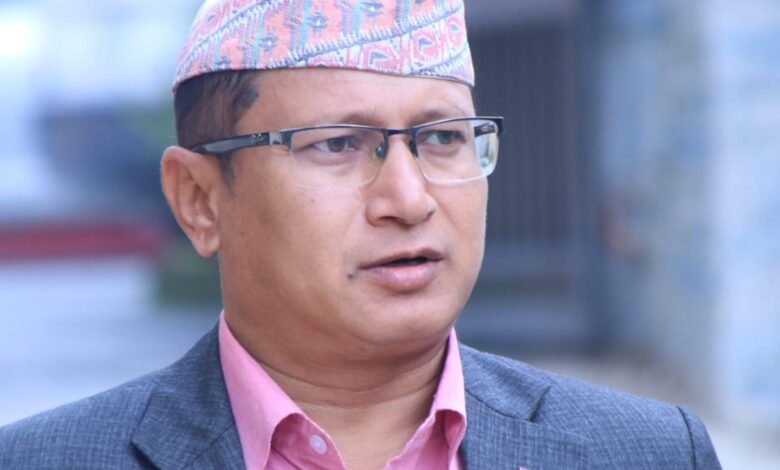

# Prem Sagar Poudel
Indian media outlets have reported that Indian Prime Minister Narendra Modi may travel to China to attend the Shanghai Cooperation Organization (SCO) summit to be held in Tianjin, China from August 31 to September 1, 2025. If the visit goes ahead, it will be Modi’s first visit to China in seven years. Although it has not been officially confirmed by either the Chinese or Indian governments, the news has attracted international attention.
China and India are two neighboring countries, each with more than a third of the world’s population. Both countries are increasingly becoming decisive in the global balance of power. Their relationship holds strategic significance not only for the two countries, but also for the entire South Asia, and especially for our neighboring country, Nepal. On the one hand, China and India have had a history of border disputes, strategic competition, and mutual distrust, while on the other hand, there is ample potential for cooperation in trade, security, climate, and multilateral forums.
Tensions after the Galwan clash in 2020 had led to a great deal of mistrust in India-China relations. But recently, some positive signs have begun to emerge. The high-level meeting in Kazan in October 2024 signaled the opening of new possibilities. Both countries have sent a message that “we are development partners, not rivals.” If this message can be embodied in practice, it will be in the interest of the entire region.
Currently, India’s National Security Advisor, Defense Minister, and Foreign Minister have visited China, respectively, which is a significant diplomatic activity compared to the past few years. But the reality is that India is still imposing various restrictions on Chinese investment, technology, and manpower, direct flights have not fully resumed, and the gap in mutual trust is still deep.
As a country that favors an independent, sovereign, and egalitarian foreign policy, we Nepalese also view India from this perspective. In its relations with China, India would be wise to formulate policies based on mutual interests and regional stability, rather than being driven by insecurity.
Nepal is a small but strategically important country that seeks to maintain balanced relations with both China and India. When cooperation between these two countries increases, its positive impact is also seen in Nepal; in the fields of trade, infrastructure development, tourism and energy. But if those relations turn sour, Nepal will have to bear the direct consequences.
In such a situation, the most important thing for us Nepalis is to respect our non-alignment policy, protect national interests, and not succumb to direct or indirect pressure from neighboring powers.
Prime Minister Modi’s possible visit to China could bring a new dimension to India-China relations. But for that relationship to be sustainable, it is imperative for the two countries to adopt a path of mutual respect, equality, and practical cooperation. A third neighboring country, like Nepal, hopes that dialogue between these two giant nations could give a message of stability and partnership rather than a show of force.
As a Nepali proverb goes, “When there’s fire in the neighbor’s house, sprinkling water in your own won’t help.” Therefore, it is vital that all countries in our region proceed with restraint, understanding, and a shared vision for the future.
(The author is a senior journalist, political analyst, President of Nepal- China Mutual Cooperation Society and expert on international affairs.)