
Chinese skills and diplomacy in preparation for the SCO summit

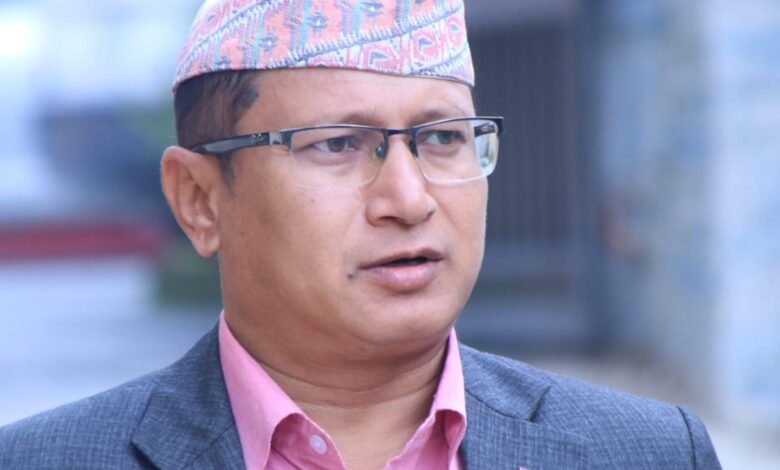

# By Prem Sagar Poudel
The 2025 Shanghai Cooperation Organization (SCO) summit is being held in Tianjin, China’s coastal industrial hub. This conference is not just a multilateral diplomatic event; it is an example of China’s internal management capabilities, international coordination, urban reform, and strategic dedication to the Belt and Road Initiative (BRI). The type of service structure that Tianjin has built in preparation for this can serve as an inspiring example not only for China, but for all of Asian collaboration.
Tianjin is one of the four centrally-administered cities of China (Beijing, Shanghai, Tianjin, Chongqing), which has historically made profound contributions to China’s maritime trade, industry, science, and diplomatic relations. Since the early 20th century, Tianjin has developed foreign consulates, churches, industries, and cultural heritage, enabling it to host multilateral conferences like the SCO.
The Tianjin municipal government, describing the summit as a “national pride,” formed municipal-level and district-level task forces. In particular, the Xiqing, Nankai, and Wuqing district administrations have separately moved forward combinations based on the “assessment, training, management, implementation” cycle. They used management techniques that reflected the “needlework” for conference venue management, hotel services, civic enhancement, and security.
Tianjin has taken the SCO summit as an excuse to push forward the process of the entire urban transformation. The historic areas of Wudadao (Five Great Avenues) and Italian Style Town have been transformed into a “world-class cultural city” through purification, repainting, expansion of greenery, and connection of digital display systems.
The city’s public transportation system, especially the metro and high-speed rail (Beijing-Tianjin has been reduced from one hour to thirty-one minutes), has been restructured. Shuttle services are in operation to ensure easy access from Binhai International Airport to the conference venue.
Additionally, under the ‘Sponge City’ technology, Tianjin is implementing rainwater management, green regional land use, and the protection of Qilihai Wetland. This is not just beauty or convenience; it is a long-term strategy for building urban climate resilience.
Tianjin has adopted a multi-layered security strategy; it includes a combination of political security, public security, and cybersecurity. Backup systems have been connected in major hospitals (such as JCI accredited), energy supply centers, and communication systems.
Various departments have organized emergency simulations in coordination, which has ensured the ability to respond immediately to any crisis during the conference period. Cyber surveillance and public opinion tracking have also been strengthened across government and non-government networks.
Tianjin has used the SCO summit not only as a diplomatic event, but also as a cultural exchange. A cultural fair titled “SCO Convergence • Silk Road Tianjin Gala” was held, which included exchanges of music, handicrafts, language learning, etc.
More than 130 “SCO Volunteer Ambassadors” have been trained in the history, diplomatic etiquette, language etiquette, and hospitality of the SCO countries. The values of the SCO have been promoted by them at the university and community levels.
Through the “Luban Workshop”, Tianjin has partnered with SCO member states, especially Kazakhstan, in vocational education and technology training, furthering China’s “labor and skills diplomacy”.
Tianjin has trained thousands of volunteers, who help with hotels, transportation, translation, and receptions. The “Be a Courteous Tianjin Citizen” campaign also encourages citizens to decorate their city, show respect to guests, and maintain cleanliness.
Such deep local involvement in the SCO summit is a clear reflection of China’s governance structure, civic consciousness, and shared sense of pride.
This preparation of Tianjin is not limited to 2025. This conference is also seen as a platform for Tianjin to expand economic and cultural cooperation with SCO countries under the Belt and Road Initiative (BRI). Tianjin has 15 sister city relationships with SCO member states, building a deep network of multilateral cooperation.
Tianjin has adopted a strategy to propagate China’s modernity, infrastructure capacity, governance style, and international leadership through this medium. China’s concept of “Community of Shared Future for Mankind” seems to have been transformed into practice on such occasions.
Tianjin’s preparations are a living demonstration of China’s nationwide priorities. It shows how China can integrate multilateral diplomacy, urban development, public participation, security, and culture to host a “well-planned, safe, and inclusive international conference.” The SCO summit is not just a phenomenon; it is a powerful instrument for China’s internal consolidation and cooperation with the world, and Tianjin is a prime example of this.
Sources (Referenced and Verified):
Tianjin Municipal Government Service Portals
Xinhua News Agency Reports (2025 Mid-Year Updates)
China Daily SCO Preparation Coverage
SCO Secretariat Cultural Cooperation Reports
Asian Infrastructure Investment Bank (AIIB) Urban Resilience Reports
Interviews with Volunteer Ambassadors (April–July 2025)
(The author is a senior journalist, political analyst, President of Nepal- China Mutual Cooperation Society and expert on international affairs.)