
CPN-UML Youth Association Demands Rule of Law in Lamichhane Case, Also Protests U.S. Intervention

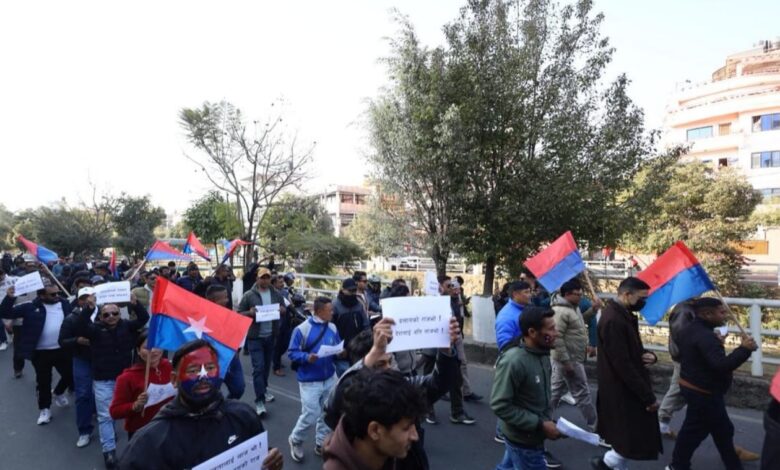

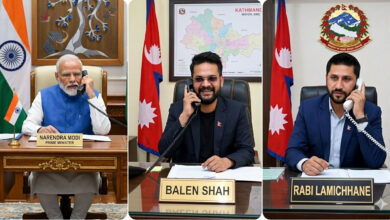
Kathmandu, January 17. The youth organization of the CPN-UML, the National Youth Association Nepal, staged a protest in Kathmandu on Saturday, accusing attempts to weaken the ongoing case against Rastriya Swatantra Party Chairman Rabi Lamichhane. In the same vein, the association also voiced its opposition to U.S. intervention in Venezuela’s internal affairs.
Youths participating in the protest, which began from the association’s central office at Teku Bhawan, demanded full adherence to the rule of law. They warned concerned bodies against any kind of manipulation to undermine or weaken the investigation and prosecution in cases linked to Lamichhane.
Protesting youth leaders stated, “The rule of law must be established in the country. No one should be allowed to rise above the law. A transparent judicial process for the people is our demand.”
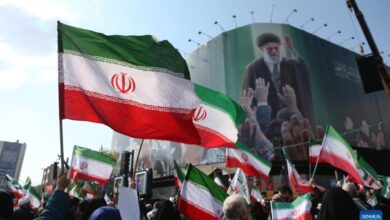
Meanwhile, the Youth Association strongly protested the intervention by the United States of America in the internal affairs of the South American nation, Venezuela. Protesters condemned the American move, stating that no external power should interfere in the politics of a sovereign nation.
Saturday’s protest program saw a dense presence of central leaders and activists of the Youth Association. Protesters gathered at the Teku Bhawan premises from the morning itself, chanting slogans like ‘Establish the Rule of Law’ and ‘Down with External Interference’.
Core Message and Reaction:
This demonstration by the CPN-UML’s youth organization signals that the party is taking the Lamichhane case seriously and views it as a test of the rule of law. Amidst the rivalry between political parties, the Youth Association has demanded transparency and non-obstruction of the legal process. However, this protest appears to lend credence to accusations that the UML is trying to use the legal action against the opposition party’s leadership for its own political gain.
Protesting U.S. intervention in Venezuela is a step consistent with UML’s traditional foreign policy and its anti-American nationalist image. This shows the party’s attempt to strengthen its position by linking a domestic political issue with global geopolitical discourse.
Overall, this protest highlights not only the activism of the UML Youth Association but also the role of youth power in Nepali politics and the strategy of parties using foreign policy to garner domestic political support.