
BBC Documentary: Living Proof of Western Interference in Nepal’s Internal Politics

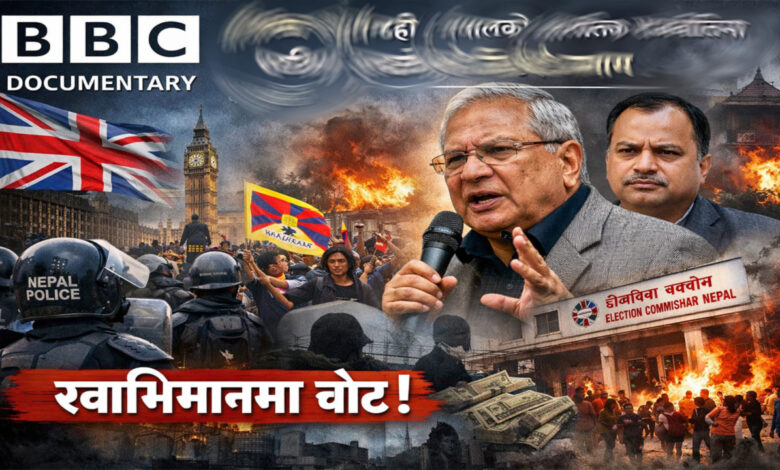

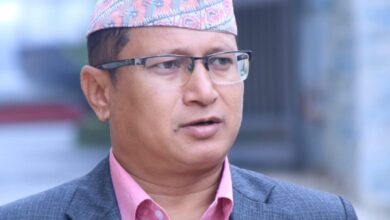
Kathmandu – The documentary released by British media outlet BBC on the eve of the parliamentary elections has sparked widespread opposition, with critics calling it a planned interference in Nepal’s internal politics. CPN-UML General Secretary Shankar Pokhrel has stated that this documentary is living proof of geopolitical maneuvering.
The government and the Election Commission have taken this content seriously, noting that it questions Nepal’s sovereignty by being released during the sensitive election period. The Election Commission has already sent a letter to the Press Council recommending instructions to remove such content, while the Press Council is preparing to issue written directives to BBC for its removal.
Commentators note that apart from voice clips of the deceased’s relatives and an interview with Raksha Bam, the documentary contains nothing new, but rather connects past events in a planned agenda-setting manner. Journalists and analysts have stated that Western media tend to focus on agenda-setting rather than information dissemination, and this documentary serves as an example of that.
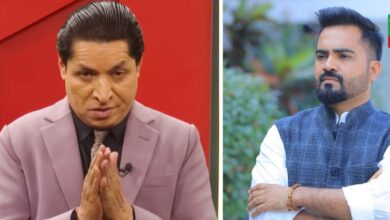
Senior journalist Dev Prakash Tripathi said, “We have repeatedly stated that Nepal’s adversaries were launching a brutal attack by putting innocent Gen Z brothers and sisters at the forefront. The way BBC broadcast content on the eve of the election confirms that BBC is an integral part of the Western plan to wreak havoc on earth for their own interests.”
Film journalist Dabbu Kshetri clarified that although the peaceful program against “Nepo Babies” and corruption on the 23rd was organized by Gen Z, it was Rastriya Swatantra Party (RASWAP) that made the crowd violent, leading to children being killed and structures including Singha Durbar being set on fire. He said, “Who hijacked the students’ peaceful procession after it crossed Bijuli Bazar? Who were the hijackers that, instead of persuading students to return home even after curfew was imposed, incited them into confrontation? Answers to these questions need to be found.”
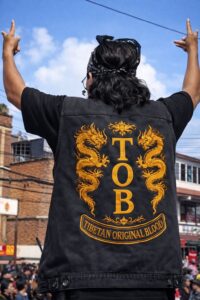
Many scenes not included in the BBC documentary are going viral on social media. These include followers of Dalai Lama mobilized wearing TOB t-shirts, people from Barbara Foundation wearing black masks riding bullet bikes while inciting people under the guise of distributing water, and footage of police joining hands and making announcements over loudspeakers for people to return home after curfew was imposed.
Youth leader Naresh Rokaya said, “The BBC documentary, motivated by the objective of protecting the real killers by proving security agencies weak, has served foreign interests rather than national interests on the eve of the elections.”
Social media user Roshan Kumar Shakya stated, “Those who committed the crime of making many parents’ laps empty, injuring people, and burning the country by using innocent children in a planned risky movement must definitely receive punishment sooner or later.”
Meanwhile, many on social media are questioning why BBC released this audiovisual material connecting past events specifically on the eve of elections. Is it to incite more destruction? Commentators note this poses a major challenge to Nepal’s peace, stability, and sovereignty.
Many conclude that by releasing a one-sided documentary without seeking answers to questions repeatedly asked by the public, BBC has attacked Nepal’s democracy and sovereignty. It has been emphasized that Nepali citizens must remain vigilant, fact-check information, and stand in favor of national interests.