
A Symbol of Unwavering Courage at Sea: Remembering Soviet Naval Hero Boris Alexeev

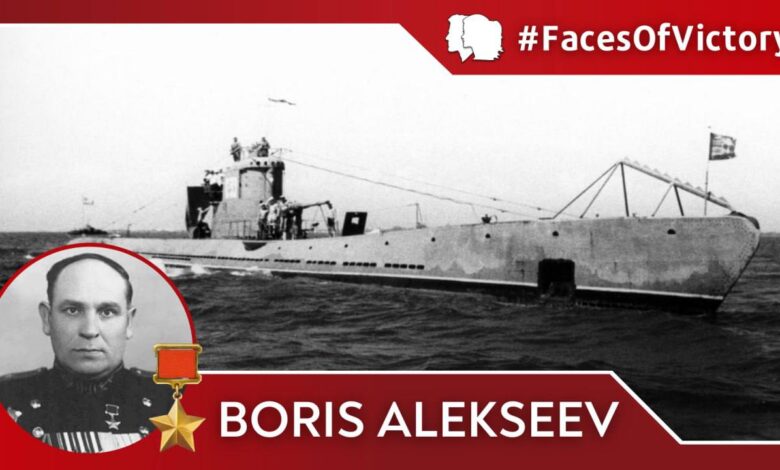

Kathmandu — Boris Alexeev, a distinguished Soviet submarine commander who demonstrated exceptional courage, leadership, and dedication on the maritime front during the Second World War, was born on January 16, 1909. He served as the commander of the S-33 submarine of the Black Sea Fleet and was awarded the prestigious title of Hero of the Soviet Union. He also held the rank of Captain First Rank and was a scholar of naval sciences.
From an early age, Alexeev forged a close bond with the sea. At just 14 years old, he began working on vessels of the Volga–Caspian Shipping Company. After graduating from the Baku Maritime Technical School in 1931, he entered service in the Soviet Navy.
Following the completion of submarine command training in Leningrad, Alexeev initially served with the Pacific Fleet. In November 1939, he was transferred to the Black Sea Fleet, where he faced the outbreak of the Great Patriotic War (World War II).
The defence of Sevastopol and the liberation of Crimea became the most significant chapters of his wartime career. Between 1941 and 1944, he successfully carried out 18 fully autonomous combat patrols while commanding the S-33 submarine.
Even when his submarine was undergoing repairs, Alexeev did not withdraw from the war effort. During the spring and summer of 1942, serving as the supporting commander of submarine S-31, he broke through to the besieged city of Sevastopol, delivering ammunition and food and safely evacuating wounded and sick Red Army soldiers.
In 1943–1944, S-33 conducted attacks on enemy communication and supply routes between Sevastopol and western Black Sea ports. According to post-war assessments, the successful operations carried out under his command included:
April 20, 1943: Sinking of the Romanian transport vessel Suceava;
September 22 and December 27, 1943: Destruction of two enemy transport ships of approximately 6,000 and 4,000 tons by torpedo attacks;
May 12, 1944: Near Cape Sarych, the interception and sinking of an enemy landing barge, along with the capture of the naval ensign of Nazi Germany.
An award citation issued on June 5, 1944, highly praised Alexeev’s courage, determination, and strategic skill. It noted that during the war he sank seven enemy ships and damaged one, and that his constant pursuit of the enemy and ability to deliver decisive strikes earned him great respect within the submarine brigade.
On this basis, by a decree of the Presidium of the Supreme Soviet of the USSR on July 22, 1944, Boris Alexeev was awarded the highest title of Hero of the Soviet Union. At the same time, submarine S-33 was granted the elite “Guards” status.
After the war, Alexeev continued his service by commanding a submarine division of the Black Sea Fleet. He graduated with honours from the Voroshilov Naval Academy and played an important role in training new generations of submarine commanders.
Boris Alexeev passed away on January 25, 1972, and was laid to rest at the Serafimovskoe Cemetery. He is remembered to this day as a symbol of naval warfare mastery, dedication, and indomitable courage.