
Balen’s Silence: A Test of Oli’s Nationalist Leadership or Political Evasion?

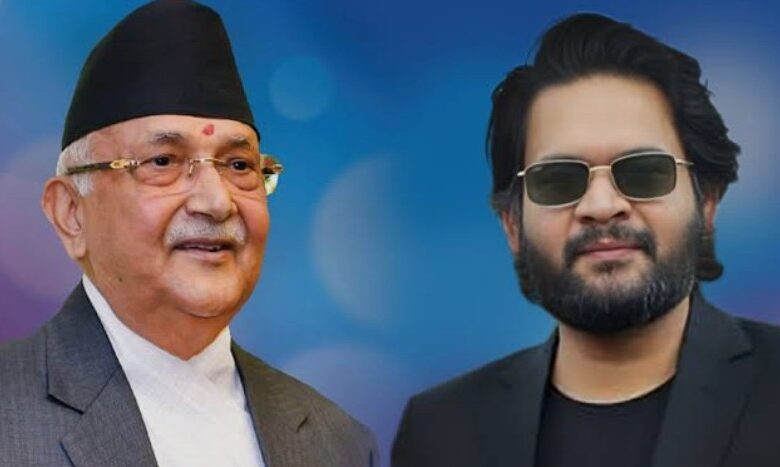

Kathmandu – Amid growing demands for an open debate between Prime Ministerial aspirant and nationalist leader KP Sharma Oli and Kathmandu Metropolitan City Mayor Balendra Sah (Balen), Balen has formally rejected Oli’s challenge. Stepping back from the debate, he recalled the violent and destructive incident of 23 Bhadau, which was carried out in the name of Gen-Z. This is an event that continues to raise serious questions in national politics to this day. At the public level, suspicions are rife regarding his involvement, support, or role as an instigator. This avoidance of debate has itself raised questions about Balen’s leadership capacity.
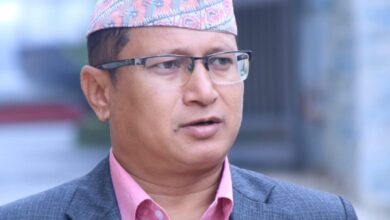
The country’s three major parties have already put forward their respective candidates for Prime Minister. In this competition, KP Oli, the proponent of nationalism, Balen Sah, and Gagan Thapa have emerged as the main focal points. While Oli, a seasoned politician who has served as Prime Minister multiple times and is committed to national unity and sovereignty, openly challenged him to a debate, the much younger Balen chose a strategy of silence. His remark, “No one can forget the incident of 23 Bhadau,” seems an attempt to steer the debate in a different direction, but it has failed to mask his political retreat.
Had the debate taken place, the public would have gained direct insight into Oli’s nationalist leadership and his development work. It would have been an opportunity to highlight the historic achievements during Oli’s tenure – such as the successful implementation of national pride projects, the firmness shown in border security, and Nepal’s dignified presence on international forums – directly to the people. However, Balen’s silence has deprived the public of the chance to compare Oli’s contributions.
The rejection of the debate has also exposed several of Balen’s weaknesses. While he has initiated some improvements in sanitation and education within the metropolis, concrete achievements remain limited. Issues such as the failure to spend even 50 percent of the capital budget despite having a budget of around Rs. 26 billion, the abandonment of the commitment to produce fertilizer and gas from waste, and the ineffective mobilization of fire brigades during the 24 Bhadau incident raise serious questions about his administrative capacity and intent. In such a scenario, facing an experienced national leader like Oli in a debate likely appears risky for him.
The overall condition of the country is also challenging. Millions of youth are going abroad in search of employment, the public is angered by cooperative fraud scandals, and the economy is under pressure. In this sensitive context, the upcoming election is not merely an exercise in government change but also an opportunity for national direction, stability, and the restoration of trust. In this regard, the nationalist leader Oli possesses both the vision and the experience to lead the country out of crisis to new heights.
Oli’s nationalist leadership and contributions cannot be underestimated just because the debate was rejected. On the contrary, it has raised questions about Balen’s political maturity and leadership capability. An individual aspiring to be Prime Minister not being ready to answer the public’s questions inevitably casts doubt on their political future.
Ultimately, one question remains unanswered: between Oli’s nationalist challenge and Balen’s silence, in whose leadership do the Nepali people see a secure future? The answer to this question will determine the next political chapter. However, this silence from Balen has only strengthened the public perception that Oli’s nationalist leadership is what the country needs.