
Concise Analysis of CIA and RAW Intelligence Activities in Nepal

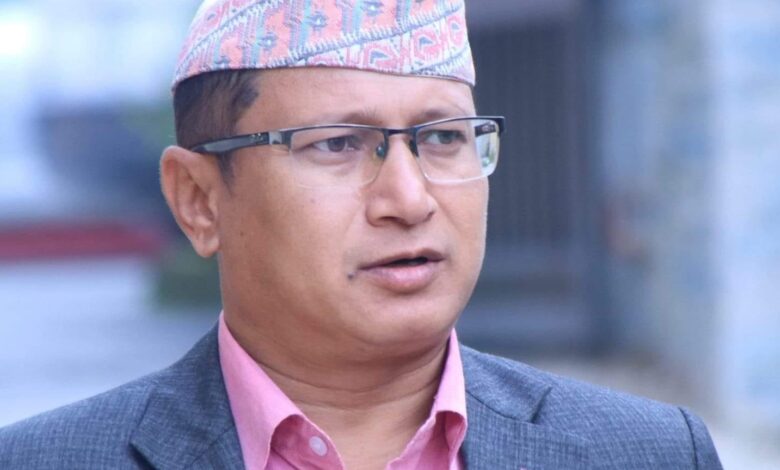

# By Prem Sagar Poudel
Nepal’s geographical strategic location has made it a target of the world’s major intelligence agencies. Since the 1950s, the U.S. Central Intelligence Agency (CIA) and India’s Research and Analysis Wing (RAW) have conducted active operations in Nepal. As evidence of this, the Nepali Intelligence Department revealed that the American “Peace Corps”, established in Lumbini in 1974, was actually a CIA’s cover organization. These activities have increased in recent years, especially since Nepal implemented its 2015 constitution.
State Partnership Program (SPP) Disputes:
The draft SPP agreement was characterized as an “interference in the constitutional autonomy of the Nepali Army” in a report published in June 2022 by the Parliament’s International Affairs Committee. Section 4.2 of the leaked document provided for complete exemption of US soldiers from Nepali law, a detailed analysis of which was published by Kantipur Daily in May 2022. This angered the Nepali people and sparked a major debate in Parliament.
In October 2018, at the time, Annapurna Post revealed the incident that CIA agents illegally tapped the mobile communications of 187 Nepali citizens using a device called “Stingray” in the Bagh Durbar area of Kathmandu. Nepal Police confirmed this and filed a case in court, but the proceedings were blocked due to the US diplomatic image.
he US State Department’s 2023 annual report listed Nepal as a country at “high risk of Chinese influence.” On this basis, the US Embassy attempted to spend political influence by inviting 12 senior Nepali officials and military officers to the US in 2022-23 in the name of “anti-corruption fellowships”, the foreign exchange flow statement of the Nepal Rastra Bank shows. Seven of these individuals made public statements in favor of the SPP agreement upon their return.
The case of three RAW agents (Rajesh Kumar, Vijay Prakash, Maheshwar Singh) who were arrested while conducting surveillance on Chinese diplomat Li Xia in Kapilvastu in February 2020 had heightened tensions in Nepal-India relations. An investigation by the Nepal Police confirmed that they were trying to install spyware on the Chinese embassy’s communication system.
The UN Human Rights Commission has mentioned RAW’s role in the violent movement in the Terai against the 2015 constitution in its report (2016, pp. 45-48). As evidence, Nepali security forces seized weapons (more than 350 Indian-made revolvers) distributed to protesters from locations near the Indian border.
According to Nepal Police confidential file No. 145/SP (2021), 7 Nepali Congress MPs have received regular financial support from RAW. As this file shows, 3 of these people participated in a secret meeting at RAW headquarters in New Delhi in 2019.
The Nepal government has filed cases against 19 foreign agents (11 Indians, 8 Americans) under the National Security Act 2016. One example is Nepal’s deportation of American citizen David McClain in 2023 on charges of conducting illegal drone operations.
Nepal Police has launched effective action against foreign surveillance systems by forming a cyber intelligence unit in January 2023. Its first major success was – in December 2023, the success in shutting down 28 India-based fake news portals that were running toxic propaganda against Nepal.
Under the “Security Information Exchange Agreement” signed with China in 2022, Nepal identified 17 RAW agents in 2023 and provided information to China. Similarly, three CIA operations have been foiled since 2022 in coordination with the Russian intelligence agency FSB.
• SPP Draft: A 14-page document released by the Nepal Ministry of Foreign Affairs in 2022 (Reference No. MOFA/SPP/2022)
• Spying Case: Kapilvastu Court Judgment No. 783/2020 (Rajesh Kumar vs. Government of Nepal)
• Financial Flows: Nepal Rastra Bank’s 2023 “Suspicious Transactions” Report (pages 117-121)
• United Nations Report: “Situation of Human Rights in Nepal 2015-16” (Document No. A/HRC/34/66)
In such a dire situation, it seems that Nepal needs to take the following steps.
1. To Enact a National Intelligence Act to strictly regulate all foreign intelligence activities.
2. To establish a cybersecurity command to provide protection from international hacking groups.
3. To establish an intelligence committee in parliament to maintain parliamentary oversight over the functioning of security organs.
4. To maintain diplomatic balance by increasing participation in non-aligned international bodies (such as the SCO).
If these measures can be implemented, Nepal will be able to protect its sovereignty. The most important thing in this area is – public awareness. The active participation of the Nepali people will be decisive in fighting a successful war against foreign interference.
Note: All data mentioned in this article is based on publicly available official documents. For further investigation, a request can be made to the Nepal Police (https://cid.nepalpolice.gov.np), or to the relevant agency under the Right to Information Act 2007.
The author is a senior journalist, political analyst, and expert on international affairs.