
Japan to Convene Special Parliamentary Session for Prime Ministerial Selection


Tokyo, – As reported by Jiji Press, Japan’s constitution stipulates that an extraordinary Diet (parliament) session must be convened within 30 days of a House of Representatives election to appoint the Prime Minister. On the opening day of the session, the current cabinet will collectively resign. Subsequently, the newly elected House of Representatives and the current House of Councillors will vote separately to select the new Prime Minister. The newly selected Prime Minister will then form a new cabinet.
In the Prime Ministerial selection election, a candidate who secures a majority in the first round of voting in each house will be declared the winner. If no candidate obtains a majority, a second round of voting will be held between the two top candidates who received the most votes, with the decision made by a simple majority. If the two houses select different candidates and fail to reach an agreement after consultation, the constitution stipulates that the decision of the powerful House of Representatives shall prevail.
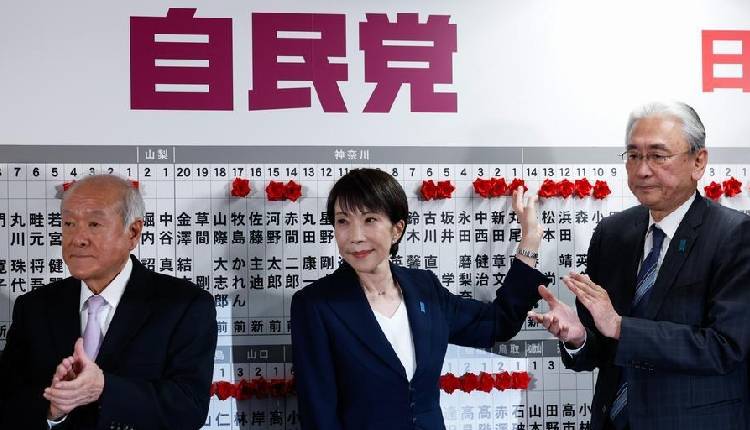
As the Liberal Democratic Party (LDP) currently holds more than two-thirds of the seats in the lower house, Japanese media analysis suggests that LDP President and current Prime Minister Sanae Takaichi is almost certain to win the Prime Ministerial selection election. It is expected that she will form a new government and continue to lead the country.
This political process indicates a smooth transition of power and the maintenance of stability in Japan. Analysts say this is not expected to bring