
Nepal-Russia Relations: A New Chapter of Cooperation

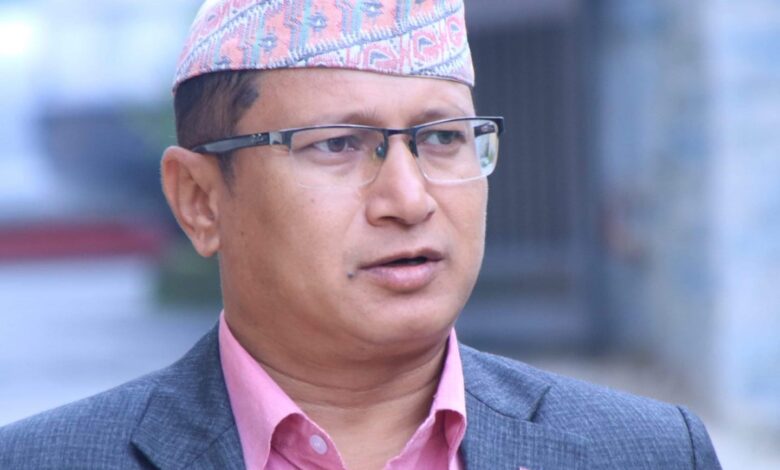

# Prem Sagar Poudel
A new turn has come in the bilateral relations between Nepal and Russia. The meeting between Nepali Prime Minister KP Sharma Oli and Russian President Vladimir Putin on the sidelines of the Shanghai Cooperation Organization (SCO) summit in the Chinese city of Tianjin has given new momentum to cooperation between the two countries. This is reflected in an article by Russian Ambassador Alexei Novikov, “New Beginning of Practical Cooperation,” published in the leading Nepali daily newspaper The Rising Nepal.
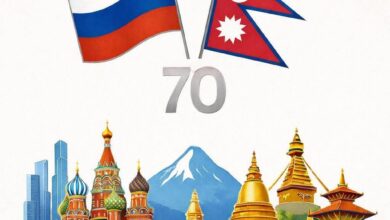
Political relations between Nepal and Russia were established in 1956. However, relations between the two countries remained limited to political formalities. During the Cold War, Nepal pursued a non-aligned foreign policy, while Russia, as the Soviet Union, was the leader of the communist bloc. Even after the dissolution of the Soviet Union, relations between Nepal and Russia did not gain much momentum. However, in recent times, geopolitical changes and the trend of diversification in Nepal’s foreign policy have given this relationship a new shape.
The meeting was in Tianjin will prove to be an important turning point in the history of Nepal-Russia relations. This meeting was held with the aim of promoting practical cooperation between the two countries. As mentioned in the article by Russian Ambassador Novikov, this meeting has opened the way for new possibilities in various areas of cooperation between Nepal and Russia.
1. Direct flight service: The possibility of starting direct flight service between Moscow and Kathmandu will give new impetus to tourism, trade, and official contacts. This will allow Nepali tourists to visit Russia, while Russian tourists will be attracted to Nepal. Nepali businessmen will be able to access the Russian market, while Russian investors will be able to come to invest in Nepal.
2. Cooperation in the educational sector: Russia plans to expand educational programs and scholarships for Nepali youth. This will enable Nepali students to pursue higher education in Russia. Russia is a leading educational center in the world and is recognized in subjects such as science, technology, and medicine. Nepali students being able to receive education in such subjects will make a great contribution to Nepal’s human resource development.
3. Cultural Exchange: Cultural exchange between the two countries will be promoted. Nepal and Russia have a rich cultural heritage. Cultural exchanges will enhance mutual understanding and goodwill between the people of both countries. This will strengthen bilateral relations.
4. Trade and Investment: New opportunities have opened up in the areas of trade, investment and logistics. Nepal can attract Russian investment in sectors such as Himalayan hydropower, tourism, agriculture. Russia can also assist Nepal in areas such as energy, infrastructure, and technology.
In the current geopolitical environment, Nepal has adopted a diversified foreign policy. Nepal has adopted a policy of increasing cooperation with various countries for its development. In the meantime, efforts have been made to strengthen relations with Russia. Russia also wants to increase its influence in Asia, and increasing ties with a strategically important country like Nepal is part of that.
Nepal needs to adopt a balanced foreign policy between its large neighbors like China and India. Increasing ties with a powerful country like Russia will help Nepal gain more autonomy in its foreign policy. This will help to collect the necessary support for development while maintaining Nepal’s national interests.
There are many possibilities in the areas of cooperation between Nepal and Russia. Russia can assist Nepal in areas such as hydroelectric power generation, tourism development, agricultural technology, and information technology in the Himalayan region. Nepal can utilize Russia’s vast research and development capabilities for its own development.
Russia can support Nepal in international forums. Nepal may need Russia’s support to enhance its role in international organizations such as the United Nations.
A new chapter has begun in the relationship between Nepal and Russia. The meeting in Tianjin has given new momentum to the bilateral relationship. There is potential for increased cooperation in areas such as direct flight services, educational cooperation, cultural exchanges, trade and investment. This will greatly contribute to Nepal’s development. Nepal can maintain its national interests by enhancing relations with powerful countries like Russia under its diversified foreign policy. In the future, Nepal-Russia relations can make a significant contribution to peace, stability, and prosperity in the Himalayan region.
(The author is a senior journalist, political analyst, president of the Nepal-China Mutual Cooperation Society, and an expert on international affairs.)