
Oil, Power, and the Politics of the Gun: A Voice of Resistance Against U.S. Military Intervention in Venezuela

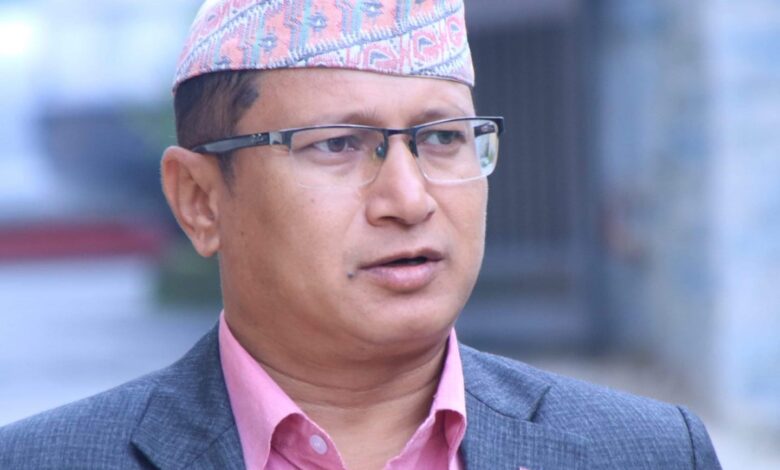

# Prem Sagar Poudel
The U.S. military intervention in Venezuela is not merely an attack on a single country; it is a harsh reminder that imperialism is still alive in the 21st century. Interventions carried out in the name of democracy, human rights, and freedom are, in reality, naked attempts to secure power, resources, and geopolitical control. I strongly oppose this intervention because it is a direct assault on international law, national sovereignty, and the fundamental principles of world peace.
The United States has never viewed Venezuela through a humanitarian lens. Its oil reserves, its strategic geopolitical location, and—above all—the refusal of its government to operate according to Washington’s wishes are the real reasons behind the intervention. When a nation seeks to follow a path chosen by its own people, when it rejects external pressure, it is swiftly branded a “dictatorship,” a “failed state,” or a “human rights violator.” Venezuela has been subjected to precisely this treatment.
Military intervention is never a solution. The histories of Iraq, Afghanistan, Libya, and Syria stand before us. Did those countries gain democracy, or did they descend into chaos? Did they find peace, or prolonged civil war? Did they achieve development, or generations of citizens burdened with deep scars? The answers to these questions clearly expose the true nature of the intervention in Venezuela. Democracy is not born from the barrel of a gun, and human rights are not protected by the sound of bombs.
Venezuela belongs to the Venezuelan people. Neither Washington nor any external military alliance has the right to change its government. If there are political problems within the country, they must be resolved through dialogue, elections, and internal processes. External intervention does not solve problems; it only deepens them. Sanctions, threats, and military pressure always hurt ordinary civilians the most—children, women, workers, and the elderly.
I also wish to state clearly that U.S. intervention is not limited to Venezuela alone. It sends a message to all small and independent nations of the world: “If you do not walk in line with us, you are not safe.” Such a world order is neither just nor secure. Venezuela today, another country tomorrow—if this imperial cycle is not stopped, the entire world will ultimately become unstable.
The United Nations, the international community, and independent states can no longer remain silent. Silence, too, is a form of complicity. Defending sovereignty, respecting international law, and opposing military intervention are not merely diplomatic options; they are moral obligations. If powerful countries are allowed to act with impunity, international law will be reduced to nothing more than words on paper.
As a citizen of a small country like Nepal, I feel an even deeper sense of concern. If today’s intervention in Venezuela is treated as normal, tomorrow countries like ours could easily become pawns in the game of power politics. Speaking out for Venezuela, therefore, is not just an act of solidarity with one nation; it is a collective voice of self-defense for small and independent states.
In conclusion, I state plainly: opposing U.S. military intervention is not opposing America—it is opposing injustice. It is standing on the side of humanity. The world now needs dialogue, not guns; coexistence, not domination. Venezuela needs peace, not bombs. And the world must now choose sovereignty over imperialism.
Author: Prem Sagar Poudel is a senior journalist and international relations analyst from Nepal. He has conducted in-depth studies on Nepal-China relations, the geopolitics of the Himalayan region, and Asian security.