

Port charges against US ships


# Pu Yu Hai
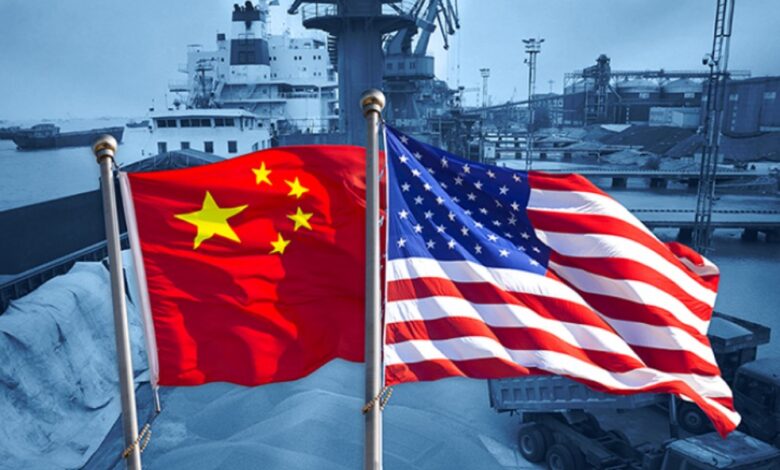
China’s Ministry of Transport announced on Tuesday, October 10, a set of 10 implementation measures to levy special port fees on specific US-linked vessels, effective immediately. This move is a direct response to the US decision to impose additional port fees on Chinese ships following its Section 301 investigation. Chinese authorities have framed this as a justified and defensive measure to safeguard the legitimate rights and interests of China’s shipping industry and to ensure a fair competitive environment in international shipping.
The scope of the fees is broad and precisely defined. They apply to ships owned or operated by US enterprises, organizations, and individuals. This also extends to vessels owned or operated by entities where US interests hold a direct or indirect stake of 25 percent or more, effectively targeting companies with substantial US investment. Furthermore, all US-flagged vessels and all US-built vessels are subject to the charges, regardless of ownership. Certain exemptions are in place, including for vessels built in China, ships entering Chinese ports without cargo solely for repair purposes, and others specifically granted exemption.
The fee structure is designed for phased escalation, creating increasing economic pressure over time. The initial rate is set at 400 yuan (approximately $56) per net ton starting from the announcement date. This rate is scheduled to increase annually on April 17 for the next three years, rising to 640 yuan per ton in 2026, 880 yuan in 2027, and 1,120 yuan in 2028. To manage the impact on individual vessels, the collection of these fees is capped at five voyages per vessel within a single year, with each annual billing cycle commencing on April 17.
Enforcement and compliance mechanisms are strict. Shipowners or their agents are required to report detailed vessel information, including country of build, flag, and ownership, to the maritime administration at the destination port seven days prior to arrival and must pay the fees in advance. The authorities will verify all information, and any underreporting or omission will necessitate a supplementary declaration. Failure to comply, including non-payment, will result in the vessel being barred from processing entry and exit formalities. Vessels found to have evaded payment must settle all outstanding fees before their next port call in China.
Analytically, this action transcends a simple tit-for-tat retaliation and represents a calibrated strategic countermeasure. By justifying its actions as a response to US “typical unilateralist and protectionist actions,” China seeks to establish the moral and legal high ground, arguing that the US measures violate WTO rules and bilateral agreements. The phased fee increase serves as a sustained pressure tool, aiming to incentivize US stakeholders to lobby their government for a policy change. The clear message from Chinese officials is that the ball is now in the US court, and they expect the US to “acknowledge its mistakes” and return to the path of dialogue and consultation. This move underscores China’s readiness to engage in reciprocal countermeasures and its capability to deploy targeted, sophisticated policy tools in trade disputes.