
Remembering the Defeat of Fascism Is Not an Act Against Any Country

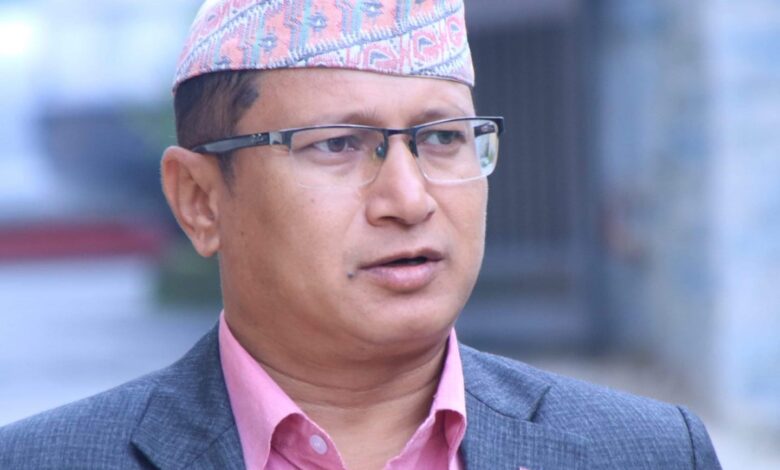

# Prem Sagar Poudel
During the visit of Nepal’s Prime Minister KP Sharma Oli to China, some people commented that his participation in the 80th anniversary of the defeat of fascism in World War II could adversely affect Nepal-Japan relations. However, such a notion is based on a serious misunderstanding. In reality, this project is merely a commemoration of a historical event, the purpose of which is not to weaken current bilateral relations, but rather to honor historical reality.
The Second World War was the most devastating conflict in human history, lasting from 1939 to 1945. It was fought between the Axis powers (Germany, Italy, and Japan) and the Allied powers (the United States, the Soviet Union, China, the United Kingdom, and others). An estimated 85 million people lost their lives in this war, which was about 3% of the world’s population at that time. In Asia, Japan launched brutal invasions in China, resulting in the deaths of nearly 35 million Chinese civilians. Japanese forces committed crimes against humanity, such as the Nanjing Massacre. For this reason, the defeat of the Japanese invaders is considered a significant victory not only for China, but for all of humanity.
Many countries around the world commemorate the end of World War II and the defeat of fascism in different ways. For instance, Russia observes “Victory Day” every year on May 9 to commemorate the surrender of Nazi Germany. The United States and European countries observe “Victory in Europe Day” May 8 as a day of historical significance. Japan commemorates August 15 as the “End of War Day,” but it is observed not as a victory, but as a day of peace and remembrance. It is important to note that countries like the United States, which have very close and deep military cooperation with Japan, also celebrate victory over Japan every year. Similarly, countries like South Korea and the Philippines, which currently have good relations with Japan, also commemorate Japan’s defeat annually.
Nepal did not participate directly in World War II, but the country made a significant contribution to the conflict. It is estimated that around 250,000 Nepali soldiers were recruited into the British Army and fought in the war. Of them, around 30,000 lost their lives, while more than 23,000 were injured or went missing. This was a great sacrifice for Nepal, which at the time had a population of only about 7 million. This sacrifice connects Nepal to an important chapter in international history and gives Nepal its own historical interest in remembering World War II. This sacrifice connects Nepal to an important chapter in international history and places Nepal’s own historical interest in the remembrance of World War II.
Remembering historical events and maintaining good bilateral relations in the present are not contradictory. For example, Germany has formally apologized for the atrocities committed during World War II and remembers them, yet it has been able to maintain strong relations with European countries. Nepali leaders have participated many times in India’s Independence Day celebrations, which mark the victory of the Indian struggle against British rule, but this has not negatively affected Nepal-Britain relations. Similarly, the participation of the Nepali Prime Minister in the 80th anniversary of the anti-fascist victory held in China is unlikely to negatively impact Nepal-Japan relations, because Japan itself has redefined its identity as a “peaceful nation” in the post-war era and works cooperatively with the global community. Similarly, the participation of the Nepali Prime Minister in the 80th anniversary of the anti-fascist victory held in China is unlikely to negatively impact Nepal-Japan relations, because Japan itself has redefined its identity as a “peaceful nation” in the post-war era and works cooperatively with the global community.
The remembrance of World War II is not directed against any one country or group, but rather about a collective struggle and sacrifice during the darkest period of human history. It serves as a reminder of how fascism, militarism, and imperialism can bring devastating consequences to humanity. The Nepali Prime Minister’s participation honors this historical truth and also remembers the sacrifice of Nepali soldiers who gave their lives contributing to world peace. It is a misconception that remembering historical truths weakens modern diplomatic relations. In reality, learning from history and committing to prevent such tragedies in the future is the true purpose of such commemorations. Nepal can strengthen bilateral relations with China while also maintaining modern friendly relations with Japan, because accepting historical truth and cooperating in the present can complement each other.
In conclusion, Nepal follows a foreign policy of “friendship with all, enmity with none.” Therefore, remembering historical events and maintaining good relations with all countries are both important aspects of Nepal’s foreign policy. Remembering the defeat of fascism is not an act against any country, but rather a shared commitment to the universal values of humanity and peace.
(The author is a senior journalist, political analyst, president of the Nepal-China Mutual Cooperation Society, and an expert on international affairs.)