
SCO Summit, Nepal’s Role, and Future Challenges

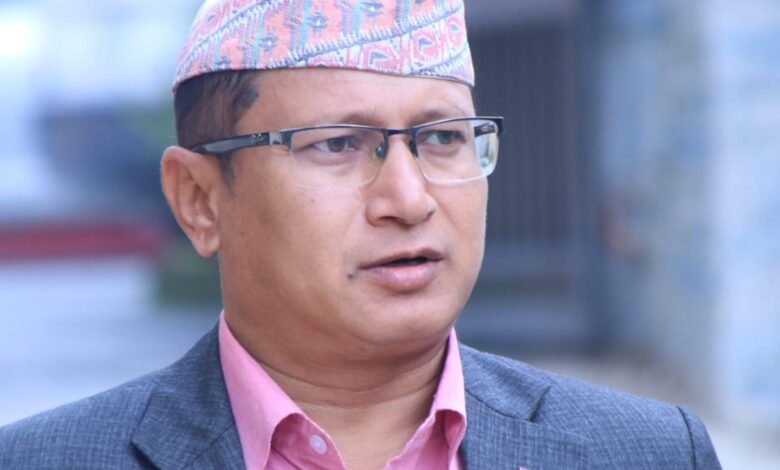

# By Prem Sagar Poudel
The Shanghai Cooperation Organization (SCO) summit to be held at the end of August 2025 in Astana, the capital of Kazakhstan, has drawn global attention. In this important regional forum, leaders of member states will gather, making it necessary to seriously analyze the role of the SCO in Eurasian geopolitics, the opportunities for observer states like Nepal, and the potential impact of complex conflicts such as India–Pakistan tensions on the organization.
It is expected that prominent world leaders will attend the summit in Astana. Chinese President Xi Jinping is known for his deeply studious nature and diplomatic insight. He has a deep interest in Chinese literature and history and often drinks tea or light alcohol at formal events. The presence of Russian President Vladimir Putin carries special importance, especially in the backdrop of the Ukraine crisis. Putin is known for his physical fitness, judo, horse riding, classical music, and attraction to nature. Indian Prime Minister Narendra Modi is known as a personality devoted to yoga and meditation. He prioritizes vegetarian food and effectively presents India’s spiritual and cultural heritage on international platforms. Pakistani Prime Minister Shehbaz Sharif is a leader interested in cricket and literary subjects. These diverse personalities and interests will shape the informal environment of the summit.
However, this summit faces many security challenges. The longstanding tensions between India and Pakistan pose a risk to any direct bilateral dialogue. Recent border disputes between China and India have added uncertainty to cooperation between the two major member states, especially in military coordination and joint exercises. From a regional security perspective, terrorist groups such as ISIS-Khorasan (ISIS-K) and the Eastern Turkistan Islamic Movement (ETIM) have increased threats in Central Asia, which is a primary area of concern for the SCO. Furthermore, the risk of cyberattacks, especially during sensitive political dialogues and international forums, shows the need for special security measures.
Nepal began as an observer in the SCO and acquired the status of a dialogue partner in 2023. The Nepali leadership appears particularly focused on three areas in this year’s summit: security cooperation, trade and transit facilitation, and the exchange of green energy and technology. Nepal has clearly demanded technological support and capacity-building programs in the fight against terrorism, border security, and combating human trafficking. In the area of trade, appeals have been made to remove the obstacles at the border with India that have halted Nepali exports. Additionally, expectations have been raised to encourage long-term projects like the China–Nepal railway expanding from the northern border with China. Although Nepal is a small and economically weak country, it expects behavior based on coexistence and equality.
On the matter of full membership, Nepal’s approach appears cautious yet eager. On one hand, SCO membership could offer major benefits such as access to Central Asian markets, support in managing risks from terrorism and instability, and energy security. On the other hand, there are serious concerns. The biggest challenge is maintaining a delicate balance between India and China. Nepal must maintain good relations with both major neighbors while preserving its independent foreign policy. Without this balance, SCO membership could become complex. Second, there is a risk of adverse reactions and pressure from the United States and Western countries. The U.S. has already warned that Nepal’s involvement in the SCO could increase the influence of China and Russia. This could potentially impact cooperation programs like the Millennium Challenge Corporation (MCC). The Nepali leadership has repeatedly emphasized that its decisions are based on sovereignty and prioritization of national interest.
Since India and Pakistan acquired SCO membership in 2017, the organization has seen significant changes in its dynamics. Their conflict has deeply affected the functioning and future goals of the SCO. The deep mistrust between the two nations, especially concerning the Jammu and Kashmir issue and mutual accusations of terrorism, has created concrete obstacles within the organization for joint proposals—especially in joint action against terrorism. Central mechanisms of the SCO like the Regional Anti-Terrorist Structure (RATS) have found it difficult to operate due to lack of internal consensus.
In the long term, the India–Pakistan conflict is pushing the SCO to remain centered on Central Asia. The Central Asian republics see the SCO as essential for their economic development, regional integration, and energy security. India also views the SCO as a tool to expand its strategic and economic reach in Central Asia. India has attempted to expand its influence through initiatives like the SCO–SAARC proposal. But the border dispute with China has hindered practical cooperation in joint military initiatives and peace missions. The future of the organization will depend on whether it can build institutional capacity beyond the political disagreements of its members, or remain confined—as in recent years—to a Central Asian and Eurasian economic-security agenda.
Nepal’s growing proximity with the SCO has become a matter of concern for U.S. foreign policy. The United States primarily views the SCO as a strategic bloc led by China and Russia against Western influence, which some analysts describe as “anti-NATO.” The U.S. has repeatedly warned Nepal that active participation in the SCO—especially military cooperation or joint exercises with China—could negatively affect its bilateral relations with the U.S., particularly programs like the MCC. This pressure compels Nepal to engage in a delicate diplomatic game between vital economic cooperation and geopolitical balance.
The Nepali leadership has responded to this challenge by reiterating that decisions are made on the basis of the principle of sovereignty and national interest. However, it is clear that the U.S. may request the Nepali delegation at the Astana summit to support—or at least not oppose—proposals against China and Russia, especially on issues like the Ukraine crisis or Taiwan. This will test Nepal’s traditional non-aligned foreign policy.
There is hope that the August summit will be a test of the SCO’s unity and relevance. The India–Pakistan conflict and China–India rivalry will continue to challenge the organization’s internal functioning. However, in core agendas like energy security, economic integration, and common security threats—such as terrorism, extremism, and drug trafficking—the SCO will maintain its significance. Its role as a geopolitical and geo-economic platform in the Eurasian region will remain strong.
For Nepal, participation in the SCO presents clear opportunities: diversification of trade and transit options through Chinese ports, access to technology and training in counter-terrorism and border security, and engagement in green technology and energy cooperation. But there are also risks: the danger of getting caught in the China–U.S. rivalry, increased economic dependency, and pressure to maintain balance between neighboring superpowers. Nepal should adopt a gradual and cautious approach toward full membership based on clear national interests. Active involvement in the SCO could expand Nepal’s diplomatic reach, but its success depends on internal stability, economic strengthening, and the effective implementation of a reliable and independent foreign policy. The Astana summit is a historic opportunity for Nepal to seek clarity about its position and future steps in this complex regional forum.
The author is a senior journalist, political analyst, President of Nepal- China Mutual Cooperation Society and expert on international affairs.