
Sensation in New York Politics: Rumors Linking Epstein, Fact or Conspiracy?


Kathmandu – In recent days, an unusual and controversial rumor has heated up social media and sections of the media surrounding politics in New York City. Widespread discussion has emerged linking the newly elected mayor, Zohran Mamdani, to the notorious financier and convicted sex offender Jeffrey Epstein through an alleged biological relationship. However, serious questions are being raised, as these claims remain unverified and appear to be based largely on speculation and conjecture.
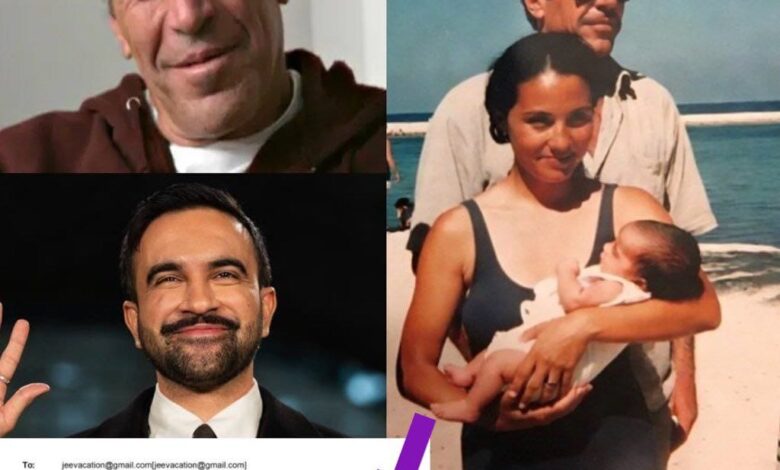
According to versions circulating in American media and online platforms, the allegations are based on certain old archival materials released by the U.S. Department of Justice. These records are said to include photographs showing Mamdani’s mother with a newborn child in the presence of Epstein, dated close to the time of Mamdani’s birth.
Additionally, some journalists have expressed suspicion by pointing out that Mamdani’s mother is mentioned repeatedly in Epstein’s correspondence, which was made public during investigations and court proceedings. Others have drawn attention to perceived physical similarities between Mamdani and Epstein, such as height, hairline, and the shape of the eyebrows, turning these into subjects of discussion.
Another element fueling these rumors is linked to Epstein’s past public statements. Various investigations have noted Epstein’s expressed desire at one point to “spread his genes” and claims that he created arrangements in which women agreed to have children in exchange for financial compensation. Within this context, some circles have speculated that Mamdani’s mother may have been connected to such initiatives.
However, political analysts and legal experts emphasize that such claims must be approached with extreme caution. To date, no solid or official evidence has been made public to substantiate these allegations. Neither Mamdani nor his family has issued any formal statement confirming or accepting these claims.
According to analysts, such rumors are often part of strategies involving political polarization, character assassination, or distraction. In a city as globally influential as New York, it is not new for unverified stories tied to personal lives to be used to undermine emerging leadership.
This episode has once again raised questions about the role of social media, illustrating how easily the line between rumor and fact can be blurred. Experts warn that presenting unverified allegations as news can mislead public debate and potentially undermine democratic processes.
Ultimately, this issue has become less about reaching a definitive conclusion of truth or falsehood and more about sparking a serious discussion on how rumors, power, and information warfare operate in contemporary politics. It has further highlighted the growing need for responsible journalism and informed civic awareness rather than the acceptance of allegations without evidence or official confirmation.