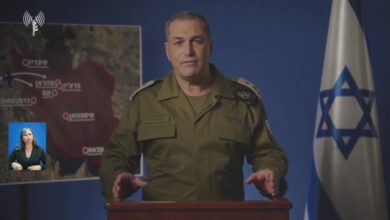

Strategic Message of the Nepali Army

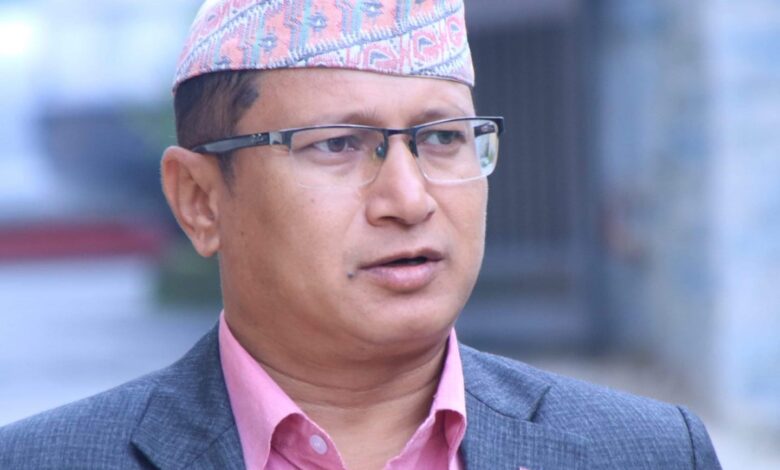

#Prem Sagar Poudel
Nepal’s geopolitical position is more sensitive than any other region in the world. Nepal is at the center of this triangle, with China to the north, India to the south, and the friction of American strategic reach to the west. Any movement in Nepal, especially a youth movement, sometimes has the potential to become a “soft tool” of great power competition. Any movement in Nepal, especially a youth movement, sometimes has the potential to become a “soft tool” of great power competition. Groups like the Gen Z movement and TOB could become new psychological laboratories in that regard.
As the name “Tibetan Origin Blood” suggests, this is not just a spontaneous group of young people. It is likely a Tibetan identity-based entity, or one that other foreign networks are trying to use under the cover of that name. Nepal has experienced such sensitive experiences in the past as well. There has been frequent political activity in Kathmandu in the name of Tibetan refugees, with the direct or indirect involvement of Western organizations.
In such a background, this study of the military is not just an internal arrangement, but also a diplomatic message. This message has been sent in two directions at once, to China to the north and to America to the west.
The message for China is clear: “Nepal will not tolerate any kind of Tibetan activity on its soil.” In this way, the military has reaffirmed its decades-old security commitment to China. This also increases the confidence of the Nepali people that Nepal will not become a battlefield for foreign intervention.
For Western countries, the message is of a different nature: “The military is studying, not trying to control.” That is, Nepal is analyzing it not from the perspective of suppression of freedom of expression, but only from the perspective of security sensitivity. This balance is an example of today’s diplomatic maturity.
This statement by the military is also linked to the current internal political situation. People’s faith in the country’s governance system is declining. Party distrust, corruption, and foreign dependence are on the rise. In such a situation, the military is playing a role in providing confidence in national stability.
This statement sent a message to the public, “The military is alert, the country is under control, and is ready to take decisive action if necessary.” This is not a political speech, but a kind of security-psychological balance. Which convinces citizens that the nation is not headed towards disintegration, but towards restrained stability.
The military’s message also creates a diplomatic impact. This message is like a warning to India: Nepal will no longer accept foreign instructions in any internal upheavals. And, for China, this message is a reaffirmation of partnership, Nepal is committed to the “One China” policy, and is keeping an eye on all activities of the Tibetan network.
This also creates a balanced image in the world community, that Nepal is a responsible, independent, and security-conscious country that neither bows to foreign pressure nor gets trapped in unnecessary anger.
The events of the TOB group and the Gen-Z movement can no longer be understood as mere civil dissatisfaction. In today’s global context, “protest” and “cyber agenda” are intertwined. Examples from Ukraine, Hong Kong, or Myanmar show how youth movements are used by foreign networks, sometimes in the name of human rights, sometimes in the name of democracy.
It is in the national interest to prevent this pattern from repeating itself in Nepal. The military’s initiation of studies into such activities is, in fact, a preparation for future security. It has also warned the government and police that administrative control alone is no longer enough; psychological and information warfare is underway behind this.
The military’s statement is not just a formal response from the security forces; it is a strategic warning. This has brought Nepal to the door of a new era, where wars are no longer fought with guns, but with information, hashtags, and psychological influence. The army has understood this.
From a patriotic perspective, such a warning is a defense of the nation’s self-respect. Foreign agents, hidden NGO networks, and informational disinformation networks are active in Nepal. They are trying to divide the country by weakening national sentiment. In such a situation, the military is the only strong institution that can preserve national unity and geopolitical balance.
The term “study” in the military encompasses a lot, it is not just research, but a kind of strategic surveillance. This also includes diplomatic explanations and if necessary, military preparations. This is why the head of the War Operation Department has spoken, not the spokesperson. This decision appears to have been taken after careful deliberation at the institutional level.
Amidst Nepal’s current political vacuum, international competition, and internal discontent, such a message from the military has restored national security morale. This has sent a message to China, India, and all Western power centers that Nepal will no longer compromise on protecting its sovereignty and stability under any circumstances.
This is both a warning and a belief. The warning is for those who are plotting to turn Nepal into a playground. And faith is for those who see this country in the context of its soil, history, and civilization.
Nepal is now moving towards a self-reliant mindset, and this voice from the army is the first sign of that journey. When political stability weakens in a country, the responsibility of the national army increases. But when the army speaks in such a balanced, diplomatic and restrained manner, then the country begins to taste true freedom.
The soil of Nepal still remembers the blood of the heroes who pledged their security. And even today, when an army officer said, “We are studying,” it was not just a sentence, it was a promise.
Promise, this country will not be allowed to become a laboratory for foreign interference again. The promise is that Nepal’s sovereignty, national pride, and geopolitical balance remain in our own hands. Promise, the army will always be on the side of the soil, not of any power, nor of any politician. It is with the Nepali people and will continue.
Author: Prem Sagar Poudel is a senior journalist and international relations analyst from Nepal. He has conducted in-depth studies on Nepal-China relations, the geopolitics of the Himalayan region, and Asian security.