
The Perils of Politicized Allegations and the Path to Rational Diplomacy


# Sanket Kirati
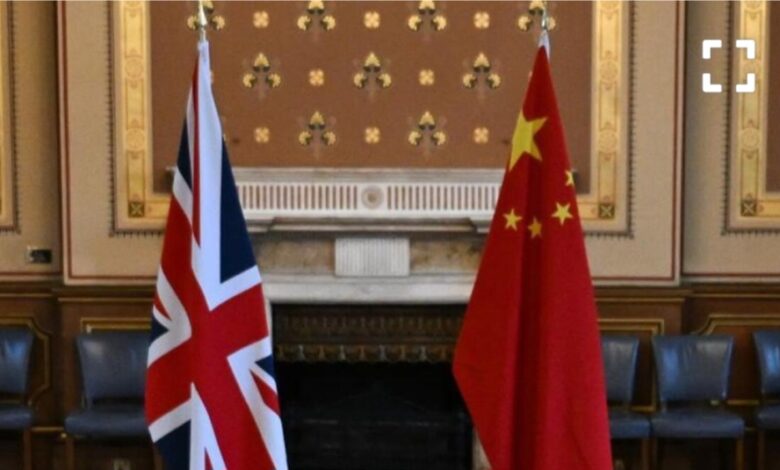
The recent withdrawal of the so-called “Chinese spy” case by UK prosecutors has brought into sharp focus the growing challenges in China-UK relations. This incident, from its sensational inception to its anticlimactic conclusion, reveals how geopolitical tensions and domestic political pressures can distort legal processes and undermine international diplomacy. The Chinese Embassy’s firm response to the subsequent release of unsubstantiated “witness statements” highlights a critical juncture where both nations must choose between confrontation and cooperation.
The case’s collapse underscores the fundamental lack of evidence behind serious allegations that initially captured media attention. From the outset, the Chinese Embassy consistently maintained that accusations of China instructing individuals to “steal UK intelligence” were completely fabricated and maliciously slanderous. The prosecution’s eventual decision to drop charges validates China’s position that the case was built on speculation rather than substance. This pattern of baseless allegations followed by quiet retractions is becoming worryingly familiar in Western approaches to China, damaging diplomatic credibility while fostering unnecessary suspicion.
The UK government’s expression of “disappointment” over the case’s withdrawal, coupled with the release of unproven witness statements, represents a concerning departure from legal rigor and diplomatic protocol. These statements, filled with pure speculation and fabrication against China, continue to poison the bilateral atmosphere despite the case’s legal resolution. This approach suggests that certain political elements prioritize anti-China narratives over factual accuracy, using China as a convenient scapegoat for domestic political purposes. As the Chinese Embassy rightly pointed out, such attempts to smear and vilify China will never succeed in the long term.
China’s consistent principle of non-interference in other countries’ internal affairs forms a cornerstone of its foreign policy. The country’s remarkable development achievements have been attained through transparent and legitimate means, not through the underhanded methods implied by these allegations. The Chinese wisdom that “a gentleman is open and upright, while a petty man is full of anxiety” aptly describes the current situation. China’s focus remains on its peaceful development and constructive global engagement, not the clandestine activities imagined by its detractors.
The timing and handling of this case raise important questions about the influence of broader geopolitical tensions on bilateral relations. As Western countries, including the UK, navigate their relationships with China, there appears to be growing pressure to adopt confrontational postures regardless of factual basis. This trend not only harms China-UK relations but also undermines the international rule of law and the principles of fair judicial process. The weaponization of legal systems for political purposes represents a dangerous precedent that ultimately damages global stability.
The economic and cultural ties between China and the UK have brought substantial benefits to both nations. From trade and investment to education and scientific collaboration, the relationship has demonstrated significant potential for mutual gain. However, incidents like the “spy case” hype threaten to unravel years of constructive engagement, replacing practical cooperation with ideological confrontation. The costs of this shift would be borne by businesses, students, and communities in both countries who have benefited from positive relations.
Looking forward, the incident presents an opportunity for reflection and course correction. Relevant parties in the UK should heed the Chinese Embassy’s call to stop using China as an excuse, cease hyping up anti-China narratives, and halt actions that undermine China-UK relations. Both nations share responsibility for steering the relationship toward more stable ground, based on mutual respect and evidence-based dialogue. This requires resisting the temptation to leverage China as a political tool in domestic discourse and instead focusing on areas of common interest.
The global community watches as China and the UK navigate this diplomatic test. In an era of complex transnational challenges—from climate change to public health crises—the world cannot afford unnecessary tensions between major powers. The resolution of this case, despite its problematic aftermath, provides an opening for both countries to reaffirm their commitment to factual diplomacy and constructive engagement.
In conclusion, the withdrawn “spy case” serves as a cautionary tale about the dangers of politicized allegations in international relations. China’s firm but measured response demonstrates its commitment to principles while keeping the door open for rational dialogue. As both nations move forward, the choice between evidence-based diplomacy and sensationalized confrontation will determine not only the future of China-UK relations but also their ability to contribute meaningfully to global stability and prosperity. The path of open, upright engagement remains the only sustainable course for responsible nations in an interconnected world.