
The Rise of Youth Leadership and a New Era for UML
Party Structure and Its Impact on Nepali Politics

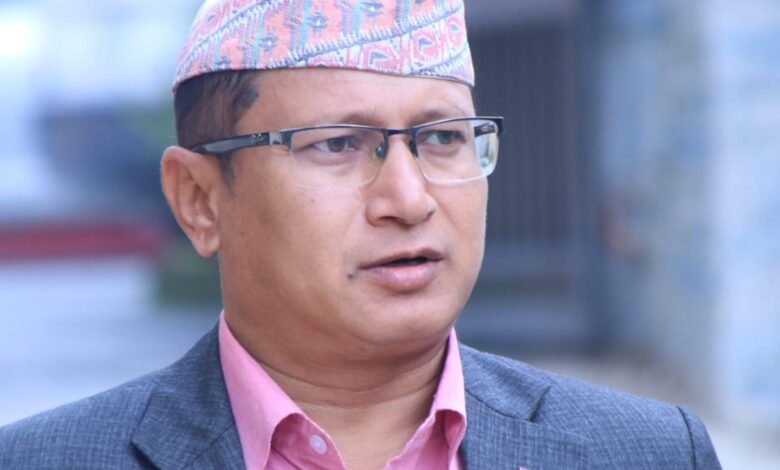

# Prem Sagar Poudel
The Chairman of the Nepal Communist Party (UML), K.P. Sharma Oli, recently shared his reflections on the central committee meeting held after the party’s 11th general convention through a Facebook post, delivering an important political message. According to him, the convention has brought 31 percent new faces into leadership positions, and approximately 34 percent of the leaders are under 50 years of age. This can be seen as a clear signal of youth leadership and organizational balance within the party.
This development is not limited to party structure or statistics alone; it can be analyzed as a sign of youth representation, organizational stability, and innovation in leadership in Nepali politics. The entry of new faces into leadership positions shows that the party is preparing not only to address current political challenges but also to face future opportunities and threats.
In the context of Nepali political history, particularly the formation of modern Nepal and the legacy of the Gorkha state, leadership was not merely about personality or experience. His Majesty King Prithvi Narayan Shah demonstrated strategic thinking, organizational skill, and the ability to manage multi-front challenges while unifying small principalities to build Nepal. Chairman Oli’s post can be compared to this historical perspective, as it reflects the party’s new leadership structure and the inclusion of youth. New faces and young leaders bring innovation and active leadership to the party, which helps ensure long-term political stability and organizational strength.
The rise of youth leadership has certainly infused Nepali politics with new energy and perspective. Young leaders are often skilled in modern technology, social media, and digital communication, which significantly enhances the party’s public outreach and campaign strategy. In upcoming elections and political contests, such youth leadership could play a decisive role. Their activity and fresh ideas can strengthen transparency, internal debate, and the decision-making process within the party.
Although the UML has introduced new faces through the convention, the contributions of experienced senior leaders have continued to be recognized. This ensures a balanced mix of experience and innovation within the organization. If leadership were based solely on youth or only on seniority, structural weaknesses might emerge. By incorporating both elements into the new structure, UML has demonstrated a long-term organizational strategy.
Such a leadership structure is significant for Nepali politics in multiple ways. First, it encourages youth participation and political awareness. When young leaders and new faces play active roles within the party, it increases trust and engagement among the youth. Second, new leadership can strengthen policy-making in social issues and technology-driven governance. Third, organizational balance can control internal power struggles and streamline decision-making processes.
Chairman Oli’s mention of closely observing the faces of all committee members during the meeting indicates that human resource review and assessment have been prioritized. This is not merely a procedural or formal exercise but a strategic approach to leadership selection. Evaluating internal capacity, experience, and innovation in this way has made UML’s leadership approach more mature and professional.
The inclusion of youth and new faces sends a positive signal to Nepali politics. It portrays the party as inclusive, progressive, and reform-oriented to both opposition parties and the general public. This strategy is not just an internal organizational reform; it is also a step toward establishing balanced leadership and innovation within the broader Nepali political system.
The entry of young leaders brings new perspectives, ideas, and energy to the party. Their use of digital media and social networks strengthens public engagement, enhancing the party’s image and appealing to young voters. The youth demographic often seeks transparency, innovation, and new thinking. By placing young leadership at the center, UML is positioning itself to gain a strategic advantage in future elections and political competitions.
This youth-inclusive and balanced leadership structure also reflects a long-term strategic outlook. The party is not only addressing immediate political pressures but is preparing a structure capable of meeting future challenges. The combination of experience and innovation ensures internal stability, an effective decision-making process, and organizational resilience.
In the context of Nepali politics, this step signals innovation and inclusivity in political processes. It is not merely UML’s internal reform but a broader indication of a positive shift in the political culture and leadership style of Nepal.
Through the inclusion of youth and new faces, UML has ensured strong representation, transparency, and organizational stability. Chairman Oli’s post makes it clear that the party is bringing in not just new energy but also presenting a long-term organizational and strategic vision.
Ultimately, Chairman Oli’s reflections are an important indicator of youth power, organizational balance, and long-term leadership planning in Nepali politics. In the coming year, by keeping young leadership at the center, UML’s strategy to expand its political influence is evident.
Such a structure in the Nepali political system is not just an internal party reform but a signal for overall political stability, youth participation, and innovation. In upcoming elections and strategic planning, the impact of youth leadership could be decisive.
From this analysis, it is clear that UML’s current leadership structure is balanced, forward-looking, and innovation-driven. The equilibrium between new faces, youth leaders, and experienced senior leaders equips the party not only to handle today’s political challenges but also to seize future opportunities and address forthcoming challenges effectively.
In conclusion, Chairman Oli’s Facebook post highlights UML’s future-oriented vision, youth participation, and organizational balance. In the coming years, by leveraging the energy and activity of young leadership, UML is well-positioned to expand its influence in the Nepali political landscape.
From this, we can conclude that UML’s new leadership structure is not only strengthening the party internally but also signaling the dawn of a new era in Nepali politics and the upcoming elections.
Author: Prem Sagar Poudel is a senior journalist and international relations analyst from Nepal. He has conducted in-depth studies on Nepal-China relations, the geopolitics of the Himalayan region, and Asian security.