
The Strength of “Chinese Seeds”: From Self-Reliance to the Fields of Nepal

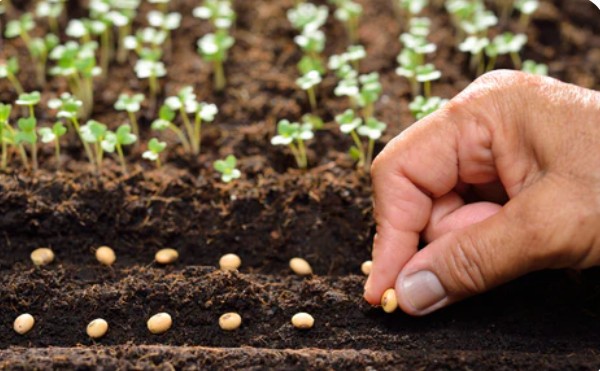

Kathmandu — Xi Jinping, General Secretary of the Central Committee of the Communist Party of China and President of China, has emphasized that the seed industry is the most important foundation of agriculture. While participating in a discussion with the Jiangsu delegation during the fourth session of the 14th National People’s Congress of China, he highlighted the crucial role of seeds in agricultural development.
Addressing representative Gao Derong, who has been involved in corn cultivation and breeding for more than three decades, Xi stated, “The seed industry is the most important. To develop agriculture, we must advance the seed industry.”
This remark reflects the Chinese central government’s deep concern about the role of the seed industry in agricultural development and food security. Xi has repeatedly prioritized the seed sector during various inspection visits in the past. During a visit to Hainan in April 2022, he remarked, “Only by firmly holding Chinese seeds in our own hands can we keep our rice bowl steady and ensure food security.”
The draft of the 15th Five-Year Plan presented at the fourth session of the 14th National People’s Congress has set an ambitious goal of raising food production capacity to 725 billion kilograms. To achieve this target, the development of the seed industry has been given high priority. Huang Sanwen, a member of the Chinese People’s Political Consultative Conference and president of the Chinese Academy of Agricultural Sciences, noted that China’s grain, vegetable, and meat production largely relies on “Chinese seeds.” This indicates that the country’s food security is increasingly being strengthened by its own agricultural innovations.
China’s seed industry has not only met domestic needs but has also made important contributions internationally. A vivid example of this is Nepal. For a long time, Nepal has faced shortages of high-quality rice seeds, but improved Chinese hybrid rice varieties have brought new hope to Nepali farmers. Chinese agricultural experts have been helping farmers adopt modern cultivation techniques, increasing both productivity and income. At the same time, they have contributed to long-term capacity building by providing training to Nepali agricultural technicians.
From wheat fields in northern China to seed breeding centers in Hainan, and from the northeastern plains to the fertile farmlands of Nepal, “Chinese seeds” carry the promise of harvest and prosperity. Beyond safeguarding the “chips” of the seed industry, they also highlight China’s confidence in its food security and its contribution to global food security.