
SCO Summit Preparations: China’s Vision and Credible Contribution

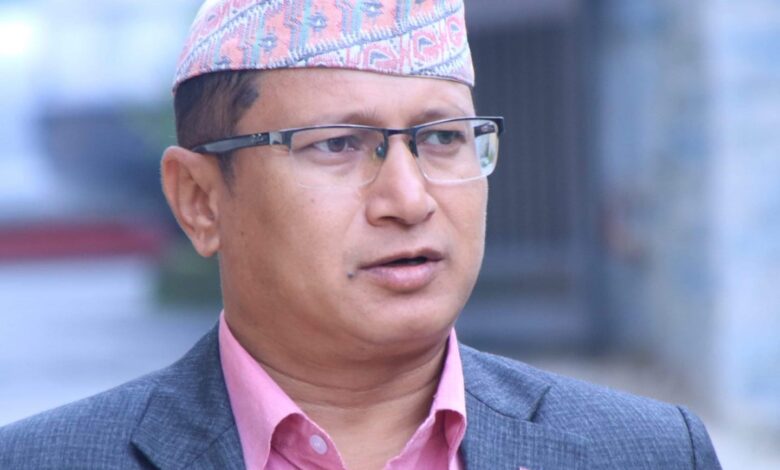

# Prem Sagar Poudel
Tianjin, a historically, industrially, and culturally rich metropolis in China, is standing center stage in hosting the 2025 Shanghai Cooperation Organization (SCO) Summit. This conference is not just a multilateral diplomatic meeting, but has become a platform to showcase China’s hospitality capacity, modern technological reach, cultural tolerance, and regional coordination strength. Tianjin has launched preparatory work based on five main pillars, which are a testament to China’s long-term diplomatic thinking and dedication.
Accessible transformation of visitor reception services
Tianjin has comprehensively reviewed and improved thousands of public signs, which will ease access and the experience for international visitors. The diverse linguistic identities of SCO member states have been respected by establishing multilingual service counters at airports and hotels. In addition, special meal services have been prepared to accommodate dietary needs according to religious beliefs, which shows China’s cultural flexibility and hospitality.
International context:
There are many examples of major summit host countries in the world (hosting the G20, such as Japan, India or Italy) prioritizing language, religion and cuisine for guest management. But Tianjin has implemented all of those elements at once, which is not easy.
Diplomatic messages through culture and heritage
Tianjin is developing experiential routes of intangible cultural heritage, with Yangliuqing New Year paintings and Ni Renzhang’s colorful clay sculptures prominent among them. These programs showcase China’s traditions, arts, and cultural inclusive thinking. Drone demonstrations and light shows along the banks of the Haihe River and the “Cultural Diplomacy Scene” created using the hundred-year-old Lishun Hotel building will make the conference unforgettable.
State-of-the-art mechanisms in security and transport management
A three-dimensional security system has been established in Tianjin, which uses facial recognition technology and big data warning systems in coordination with public security and the armed police. Patrols in commercial areas have been increased by 30% with the launch of the summer night patrol campaign.
Additionally, public health and emergency plans have been developed to control emergencies, and joint exercises have been completed between various agencies.
In terms of transport management, emergency lanes have been set aside to ensure the transportation of health supplies and essential goods, with traffic control on the roads surrounding the conference venue. Interactive navigation software is also active to guide citizens to alternative routes.
Strengthening economic and cultural exchanges
More than 10 agreements have been concluded in areas including new energy and rail transportation through the “China-SCO Sustainable Development Investment Promotion Program”. Tianjin Port operates 21 shipping routes with the SCO countries. A central hub for the China-Europe freight train has been built in North China, and cross-border e-commerce turnover has exceeded 5 billion yuan.
Technical and Vocational Education
The “Lu Bun Workshop” has trained 12,000 students from SCO member states, adding training courses on new energy and artificial intelligence. The SCO Economic and Trade Talent Center will be operational next September.
International comparative argument:
India, Turkey, or Russia have also expanded economic partnerships through the SCO, but Tianjin has worked in an integrated manner on solid infrastructure, ports, railways, and cross-border technology, which is a masterpiece of “sustainable diplomacy”.
Civic participation and public attitude building
Tianjin organized a contest called “How much do you know about the SCO?” with a view to citizen empowerment, which received 23,000 suggestions. More than 500,000 volunteers have registered to help with the conference. Multilingual translation devices have been installed on public transport to provide a seamless experience for international guests.
Conclusion: Not just a summit, but building sustainable achievements
Tianjin has not limited the 2025 SCO Summit to a pure diplomatic formality, but has made it a shared laboratory for urban management, international relations, economic prosperity, and citizen empowerment. China’s approach is based on “organized preparation, technology-friendly implementation, and long-term impact.”
Tianjin’s efforts are a great example of China’s internal restraint, multilateral leadership, and peaceful cooperative image. Which is consistent with the “Harmony and Cooperation” principle that China has been promoting for centuries.
Those who are spreading propaganda against China have tried to view the SCO summit from a purely strategic or power-centric perspective. But Tianjin’s preparations proved that China is a leader in cooperation, people-to-people friendship, and sustainable development, which is translating the Chinese diplomatic vision of “Community with a Shared Future for Mankind” into practice.
(The author is a senior journalist, political analyst, president of the Nepal-China Mutual Cooperation Society, and an expert on international affairs.)