
UN Warns of Dire Consequences of Oil Refinery Strikes in the Middle East

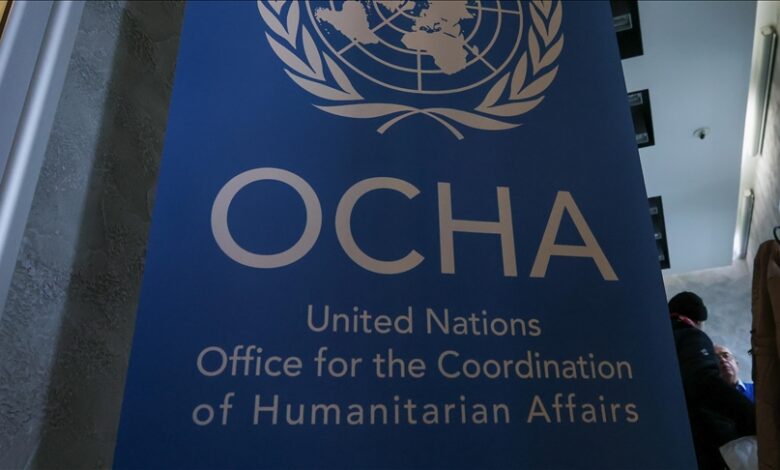

Kathmandu / The United Nations humanitarian agency has warned that recent attacks on oil refineries in the Middle East could exacerbate the humanitarian crisis in the region. In a statement released on Monday, the UN Office for the Coordination of Humanitarian Affairs (OCHA) stated that these attacks could have serious impacts on access to clean water and public health.
“This comes on top of strikes on water desalination plants reported in several countries,” OCHA said. The office noted that the region was already facing immense humanitarian needs prior to the latest escalation.
Asked about oil prices surpassing 100 U.S. dollars a barrel since the U.S.-Israeli strikes on Iran on Feb. 28, Stephane Dujarric, chief spokesman for UN Secretary-General Antonio Guterres, said the increase “will impact everything … including UN operations.” Dujarric said the increase affects the world body’s logistics operations, including the cost of humanitarian food and the fertilizer needed to help grow it.
“It underscores yet again our addiction to fossil fuel, where supplies, you know, are concentrated in just a few regions of the world,” he said. “And it should also be an opportunity to redouble our efforts on renewables.”
The humanitarian situation in Lebanon and Gaza is deteriorating rapidly. According to OCHA, ongoing evacuation orders for southern Lebanon and the southern suburbs of Beirut are displacing large numbers of civilians. Local authorities report that more than 115,000 people are sheltering in over 500 collective centers, while more than 500,000 people have registered as displaced. Health services continue to be affected, with five hospitals and dozens of primary healthcare centers having ceased operations.
“The humanitarian situation is rapidly worsening,” OCHA said. “Immediate de-escalation is urgently needed.” The office called on all parties to respect international humanitarian law and protect civilians, health facilities, and humanitarian personnel.
In the Gaza Strip, the closure of crossings continues to undermine humanitarian operations. “The continued closure of the Zikim crossing is forcing aid workers to re-route critical supplies intended for northern Gaza through the southern crossing of Kerem Shalom, which is still the only operational crossing point,” the office said. The exit from Gaza of patients who need medical evacuations and the return of Palestinians from abroad remain suspended.
The UN said it is responding with partners despite limited resources, but it urgently needs international support to meet rapidly growing needs.