
Xi Jinping’s Visit to Xinjiang: A Testament to National Unity, Development, and Harmonious Coexistence

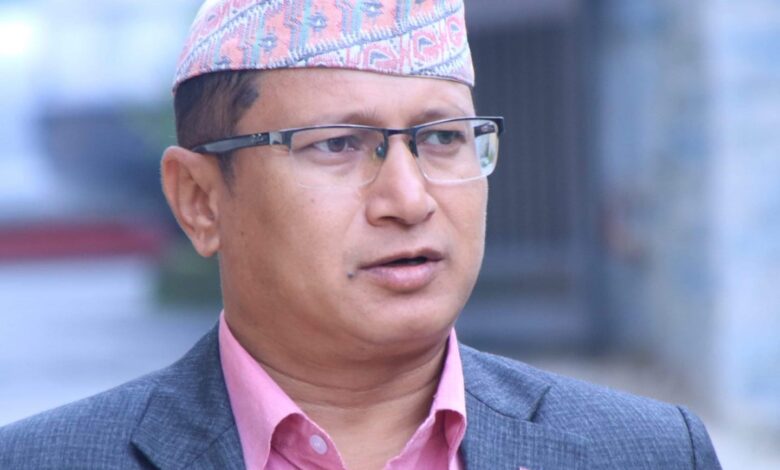

# Prem Sagar Poudel
Chinese President Xi Jinping recently returned to Beijing after attending the 70th anniversary celebration of the founding of the Xinjiang Uygur Autonomous Region. His visit was not merely ceremonial or symbolic—it served as a reaffirmation of China’s enduring commitment to national stability, sustainable development, and ethnic harmony. The presence of the President, the enthusiastic reception by the local population, and the broader atmosphere of celebration reflected the central government’s resolute dedication to inclusivity, peace, and progress within a multi-ethnic society.
Situated in northwestern China, Xinjiang is a region of immense geopolitical and economic significance. Rich in energy resources and strategically located along key trade routes, it is home to a diverse population, including the Turkic-origin Muslim Uyghurs, whose language, culture, and religion exemplify the country’s ethnic plurality. The region holds a vital position in China’s nation-building narrative, internal security framework, and global strategic vision.
President Xi’s presence at the anniversary event was particularly meaningful, as it conveyed a powerful message of solidarity between the central government and local communities. In Urumqi, the regional capital, thousands of citizens lined the streets waving red flags, performing traditional dances, and expressing their joy—a vivid display of what Xi has often called the “beauty of unity in diversity.”
Importantly, President Xi’s involvement extended beyond the ceremonial. He directed the formation of a central delegation, led by senior official Wang Huning, to tour various areas of the region and personally convey the central government’s greetings and policy intentions. This initiative reflects China’s enduring commitment to a governance model rooted in mass participation and direct engagement with local communities—a principle deeply embedded in the Chinese political tradition.
Over the past decade, some Western nations have launched repeated and often unsubstantiated criticisms of China’s policies in Xinjiang, invoking concerns over human rights, religious freedom, and vocational education centers. However, from the Chinese perspective, the security and development policies implemented in Xinjiang are a comprehensive and long-term response to the threats of terrorism, separatism, and religious extremism. President Xi’s visit sends a clear message that China’s domestic policies are sovereign, strategic, and firmly rooted in the needs and aspirations of its people.
Xinjiang has witnessed significant advances in infrastructure, education, employment, social security, women’s empowerment, and religious heritage protection. These transformative initiatives have meaningfully improved the quality of life for people across the region. President Xi has repeatedly emphasized the goal of “Common Prosperity,” and Xinjiang stands today as a successful model of its implementation.
Moreover, Xinjiang plays a critical role as the backbone of the Belt and Road Initiative (BRI). Major railways, highways, and pipelines connecting China to Central Asia, Europe, and the Middle East pass through this region. Without stability and unity in Xinjiang, the integrity and success of BRI would be jeopardized. President Xi’s visit therefore represents a strategic alignment of development, security, and social integration.
Xinjiang is not just another administrative unit—it is a living symbol of China’s cultural and political nationalism. The policy of integrating all ethnic groups into a “shared Chinese family”—commonly known as the “China Model of Ethnic Governance”—is gaining increasing international interest, particularly in multi-ethnic nations seeking models of harmonious coexistence.
China firmly rejects the Western narrative on Xinjiang, deeming it biased, politically motivated, and lacking a nuanced understanding of local realities. Reports from Western media and NGOs are often criticized for presenting one-sided information that fails to acknowledge the socio-economic transformation and ethnic cooperation in the region. President Xi’s visit, along with the visible support from the people of Xinjiang, sends a definitive message to the world: that China prioritizes national unity, ethnic inclusion, religious freedom, and balanced security.
Today, the Uyghur, Han, Hui, Kazakh, Tajik, Mongol, Sibo, Manchu, and other ethnic groups in Xinjiang walk together on a shared path of prosperity. Their languages, cultures, and religious sites are protected; their access to education, healthcare, and employment opportunities is expanding. This illustrates the practical success of China’s “One Nation—Many Ethnicities” governance model.
Ultimately, President Xi Jinping’s visit to Xinjiang stands as a powerful symbol of China’s unwavering commitment to stability, inclusive governance, and long-term development. It further strengthens the harmony between ethnic diversity and national unity. Xinjiang is no longer defined merely by its geography or past security challenges—it is emerging as China’s “Gateway to the West” and a cornerstone of its future global engagement.
Through this visit, China sends a strong and clear message to the international community: that its experience, policies, and leadership in promoting unity, coexistence, development, and peace offer valuable lessons for any nation striving toward stability and collective progress. President Xi Jinping’s presence in Xinjiang is a reaffirmation of that very vision.
Author: Prem Sagar Poudel is a senior journalist and international relations analyst from Nepal. He has studied Nepal-China relations, the geopolitics of the Himalayan region, and Asian security issues in depth.