U.S. Supreme Court Rejects Trump Order to Deny Birthright Citizenship

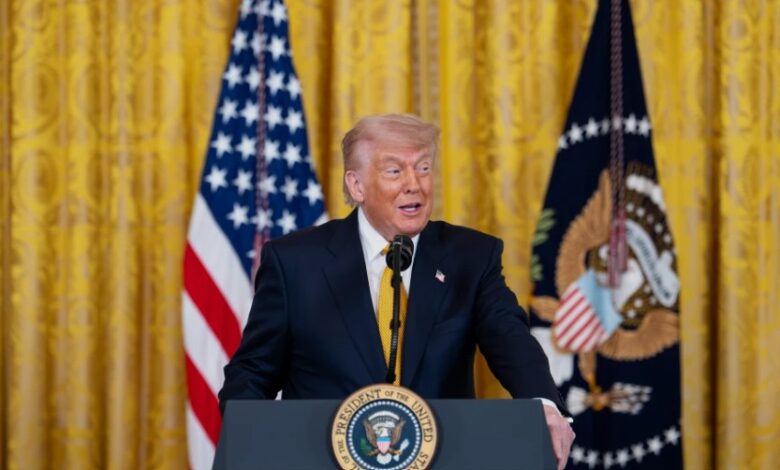
Washington. The U.S. Supreme Court has rejected President Donald Trump’s executive order seeking to deny birthright citizenship, ruling that citizenship rights for children born in the United States will remain protected.
In its ruling on Tuesday, the Supreme Court held that Trump’s order denying birthright citizenship to children of undocumented immigrants or temporary residents was inconsistent with the Fourteenth Amendment of the U.S. Constitution.
The decision was delivered by a 6–3 vote. Chief Justice John Roberts wrote the majority opinion. The majority included the three liberal justices and three conservative justices, making the ruling a major legal setback for the Trump administration’s immigration policy.
The Supreme Court interpreted the Fourteenth Amendment as clearly granting citizenship to persons born in the United States and subject to its jurisdiction. According to the Court, citizenship is not merely an administrative status, but a fundamental basis for participation in the political community.
The Fourteenth Amendment was ratified in 1868, after the U.S. Civil War. It was introduced to guarantee citizenship rights to freed slaves and Black Americans. The amendment states that all persons born or naturalized in the United States, and subject to its jurisdiction, are citizens of the United States and of the state in which they reside.
Trump signed the executive order on January 20, 2025, the day he began his second term. The order argued that children born to people unlawfully or temporarily present in the United States were not “subject to the jurisdiction” of the United States. On that basis, it sought to deny them citizenship under the Fourteenth Amendment and the Immigration and Nationality Act.
Several parents, civil rights groups and states challenged the order in court. Lower courts had also ruled in favor of the plaintiffs and blocked the order from taking effect. With the Supreme Court’s latest ruling, the executive attempt to restrict birthright citizenship has failed.
After the decision, Trump said in a post on Truth Social that the ruling was “too bad for our country.” He also called on Congress to move forward with legislation to end birthright citizenship.
Birthright citizenship has long been at the center of constitutional, immigration and national identity debates in the United States. The Supreme Court’s decision sends a clear message that citizenship rights established by the Constitution cannot be changed through executive order.
The ruling also reaffirms the historic significance of the Fourteenth Amendment in the U.S. legal system. It makes clear that even amid intense disputes over immigration, the supremacy of the Constitution prevails over administrative action on fundamental questions of citizenship.