Tenth Animal Husbandry Summer Festival Held in Ngawa County to Promote Culture and Local Economy

Dragon Media News Desk
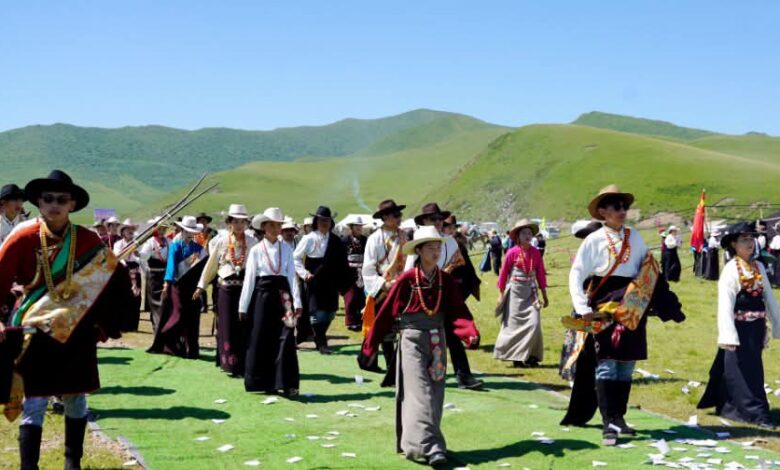
The tenth Animal Husbandry Summer Festival has been held on a grand scale in Gyaro Township of Ngawa County in southwest China’s Sichuan Province, bringing together traditional culture, modern development and public services.
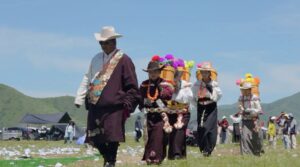
The festival featured horse racing, singing and dancing, traditional sports, livestock exhibitions and various activities showcasing local customs alongside contemporary cultural development.
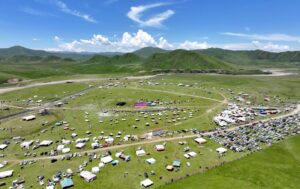
In addition to entertainment and competitions, visitors received information about government policies, healthcare services, livestock support and social security programmes. Policy consultation and public service centres were established at the venue to help herders learn about public welfare measures.
A total of 24 village-level officials, local monitors, communities and model households were honoured for their contributions to expanding medical insurance coverage and supporting forest and grassland fire prevention efforts.
An official from Padma Lhathang Village said the festival had created an effective platform for direct interaction between local officials and residents. Through competitions, policy briefings and award ceremonies, authorities explained public welfare measures related to medical insurance, grassland management and livestock subsidies.
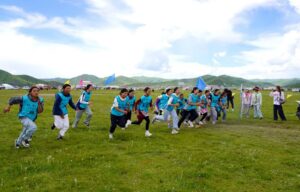
More than 10 traditional sports and skills competitions were organised, including tea-making, running, tug-of-war, sack lifting, motorcycle skills, and wool spinning and weaving.
The two-day horse-racing programme featured several categories involving local pastoral breeds and other horses, with competitions focusing on speed and gait.
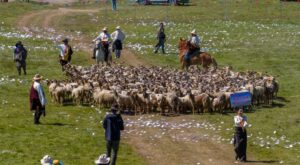
The festival also included the selection and display of local sheep breeds and high-quality yaks and cattle. The activities were intended to encourage herders to shift from traditional livestock-raising practices towards more scientific, standardised and efficient production methods.
Yak meat, butter, yoghurt and other distinctive plateau products were displayed and sold in a special agricultural and pastoral products area. The initiative sought to connect producers directly with markets and transform the ecological advantages of the grasslands into sustainable sources of income.
Policy consultation stations were also established around the festival venue. Local officials explained livestock subsidies, grassland management, medical insurance and pension policies in both Chinese and Tibetan languages.
Tashi Lhamo, a resident of Nuskorma Village, said her entire family attended the festival every year. She said the event provided opportunities to watch horse races and traditional competitions, learn scientific livestock-raising techniques and sell locally produced yak products.
According to her, sales facilities provided by the county authorities had helped local families market yak butter and meat, while livestock subsidies and medical insurance support had been effectively implemented. She added that residents were increasingly confident that modern livestock farming could raise household incomes and improve living standards.