Government Pushes for Strict Enforcement of 50 Percent Public Transport Fare Discount for Senior Citizens

Dragon Media Correspondent
The Ministry of Women, Children, Gender and Sexual Minorities and Social Security has formally asked the Ministry of Physical Infrastructure and Transport to ensure strict implementation of legally mandated fare discounts and reserved seating for senior citizens on public transport.
The ministry sent the letter after receiving growing complaints from senior citizens that they were not being provided the concessions guaranteed under existing law.
Section 9 of the Senior Citizens Act, 2006, provides for special facilities and concessions for senior citizens in public services. Under the law, operators of designated public transport vehicles are required to reserve at least two seats for senior citizens and provide them with a minimum 50 percent discount on passenger fares.
A separate procedure introduced in 2013 also provides guidelines for implementing these concessions and facilities in public transport. Despite the legal framework being in place for years, the ministry said many senior citizens continue to face difficulties in receiving the benefits in practice.
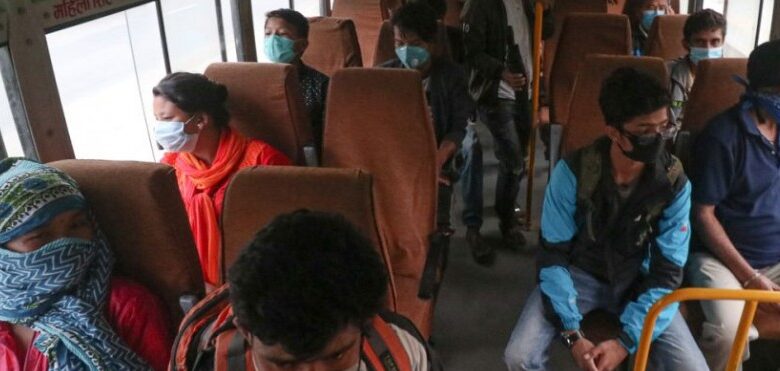
According to the ministry, complaints include public vehicles failing to keep designated seats available for senior citizens, reserved seats being occupied by other passengers, and transport operators refusing or hesitating to provide the legally required fare discount.
In response, the ministry has urged the Ministry of Physical Infrastructure and Transport to take necessary measures for coordination, monitoring and enforcement so that senior citizens can effectively exercise the rights granted to them by law.
The legal provision is not discretionary for transport operators. For the categories of public vehicles covered by the law, compliance with the reserved-seat requirement and fare concession is a statutory obligation.
Nepal’s Supreme Court has also previously emphasised that implementing legally guaranteed concessions for senior citizens in public transport is the responsibility of both concerned government agencies and transport operators.
The ministry has stressed that provisions intended to ensure dignified living, easier access to public services and social protection for senior citizens should not remain limited to legislation on paper.
The latest directive has also renewed attention on the need for regular monitoring of whether public vehicles are actually reserving the required seats and providing the 50 percent fare discount.
As Nepal’s senior citizen population continues to grow, effective implementation of such provisions is increasingly important for ensuring that legally guaranteed social protection measures translate into meaningful access to public services.