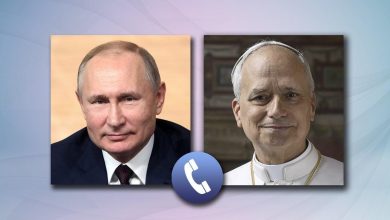
Putin Says Expert Assessment Needed to Resolve Armenia-Azerbaijan Border Issues

Dragon Media News Desk
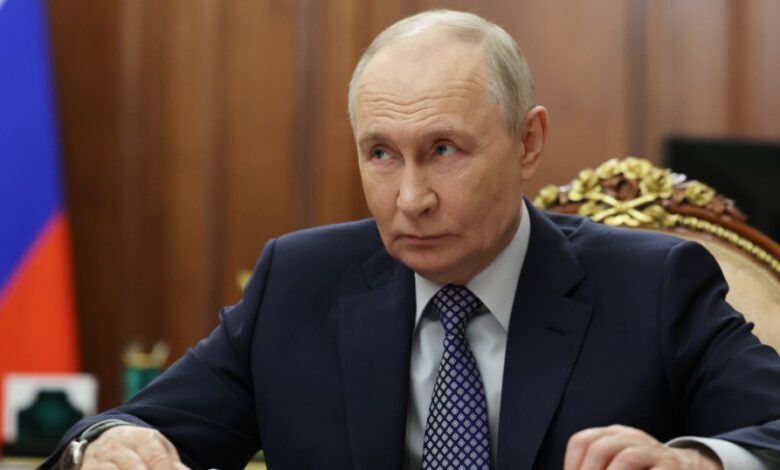
Russian President Vladimir Putin has said that expert-level assessment is required to resolve questions surrounding the role of the Collective Security Treaty Organization (CSTO), as formal documents on the delimitation of the Armenia-Azerbaijan border have yet to be finalized.
Speaking to journalists in Bishkek, Putin said Armenia had previously argued that certain sections of the border should fall under CSTO protection, but Armenia and Azerbaijan still hold differing views over where the actual border runs.
According to Putin, the absence of a comprehensive border agreement between the two countries makes the question of applying CSTO security obligations to specific areas particularly complicated. He said Azerbaijan considers the border to run along one section while Armenia considers another line to be the boundary, making detailed expert assessment necessary before political conclusions can be reached.
Putin also said the current Armenian leadership’s recognition of Karabakh as part of Azerbaijan had created a new situation. In his view, this could help close a previous chapter of the conflict and open possibilities for resettling displaced people, reopening infrastructure, reviving economic activity, opening borders and attracting investment.
On Russia-Armenia relations, Putin said Yerevan should clearly state its objectives. He noted that Armenian Prime Minister Nikol Pashinyan had proposed a detailed review of cooperation between the two countries in each area and said he agreed with that approach.
Putin also addressed the issue of Russia’s military base in Armenia. He said that if Armenia decides that a Russian military presence is no longer necessary, Moscow is prepared to withdraw immediately. However, if the Armenian people and leadership want Russian forces to remain, Russia is ready to continue its presence and cooperation.
Putin stressed that Russia does not intend to impose any decision on Armenia, indicating that the future of bilateral security cooperation will depend on Armenia’s clearly expressed political will.