Dev Gurung Calls for Bhadra 24 to Be Observed as a ‘Black Day’ in Nepal’s History

Dragon Media Correspondent
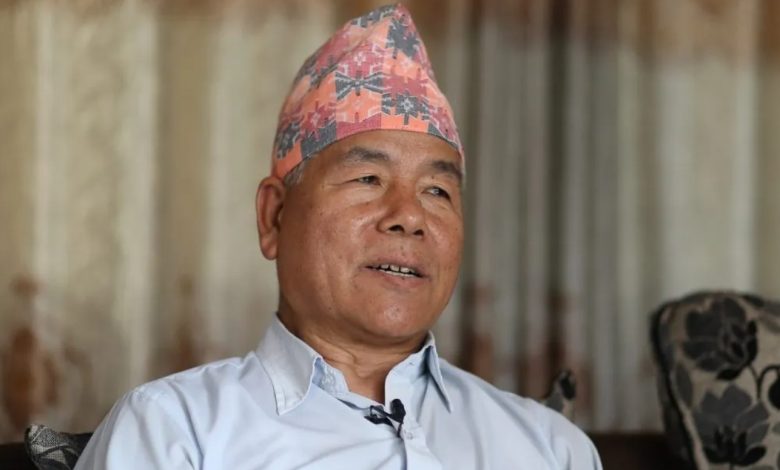
Nepali Communist Party leader Dev Gurung has called for Bhadra 24 to be established as a “black day” in Nepal’s history, describing the political upheaval and widespread destruction that occurred on the same date last year as a serious blow to the country’s sovereignty, democratic institutions and development.
In a statement, Gurung argued that the events should not be viewed merely as spontaneous political unrest. He linked them to broader geopolitical pressures and alleged attempts by Western power centers to influence Nepal’s strategic orientation.
Gurung claimed that proposals involving the State Partnership Program, Starlink, large-scale data centers, activities associated with the Indo-Pacific Strategy, efforts to obstruct implementation of agreements under China’s Belt and Road Initiative, and alleged plans concerning uranium resources in Mustang had been raised directly or indirectly with Nepal at different times. He argued that although Nepal’s established political parties had major disagreements over economic policy, education, corruption control and political cooperation, they had generally resisted proposals they considered contrary to national sovereignty and independence. The statement did not provide independent evidence substantiating these allegations.
According to Gurung, divisions among the political parties that were stakeholders in Nepal’s peace process created conditions in which protests launched under the banner of good governance on Bhadra 23 escalated into unprecedented destruction on Bhadra 24. He said historical state properties and public infrastructure were damaged, seriously affecting Nepal’s institutional and development trajectory.
Gurung also compared the events in Nepal with so-called “color revolutions” in other countries, alleging that externally backed political movements had previously been used to bring governments aligned with foreign interests to power. He claimed Nepal had become another such case under the banner of a “Gen Z Revolt.” No independently verified evidence supporting this broader geopolitical claim was presented in his statement.
Drawing a historical comparison, Gurung referred to the Kot Massacre of 1846, which led to the rise of Jung Bahadur Rana. He argued that the event had occurred in a geopolitical environment influenced by British imperial interests and portrayed the political changes following Bhadra 24 as a modern repetition of externally influenced power restructuring.
Gurung said divisions among domestic political forces had weakened Nepal’s ability to protect its national interests. Invoking the Nepali saying “when brothers are divided, outsiders exploit them,” he urged political parties associated with the Comprehensive Peace Agreement to begin a new phase of broad cooperation.
He said such cooperation was necessary to defend national sovereignty and democracy while pursuing economic prosperity. Gurung therefore called on political and social forces to recognize Bhadra 24 as a “black day” symbolizing destruction, political instability and what he described as challenges to Nepal’s national independence.