RSP Members Say One Year Has Been Wasted Since Gen Z Uprising, Question Government Over Justice and Accountability

Dragon Media Correspondent
Members of the ruling Rastriya Swatantra Party have sharply criticized the government over its handling of the Gen Z uprising, saying that one year has passed without meaningful progress on justice for martyrs, support for the injured, implementation of political commitments and formal recognition of the movement.
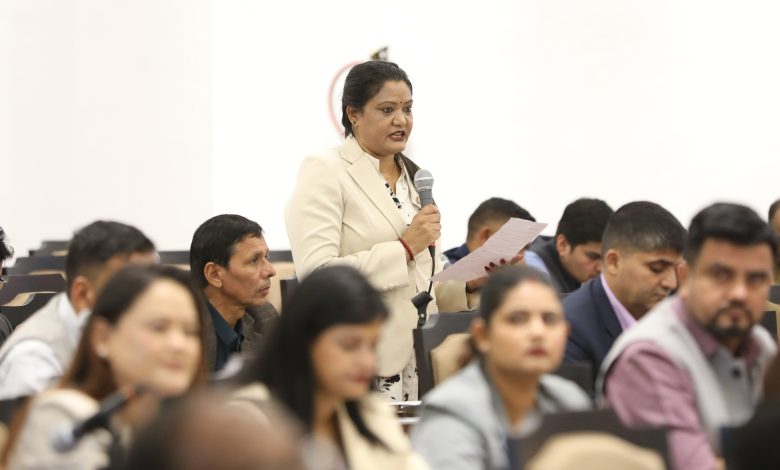
Speaking during the emergency and zero hour sessions of the House of Representatives on Wednesday, several RSP members expressed frustration with Prime Minister Balendra Shah and the government. Their criticism focused on what they described as a failure to institutionalize the political meaning of the Gen Z uprising and address the concerns of families affected by the movement.
RSP member Rachana Khatiwada Khatri asked how many more years martyr families would have to wait for justice. “How many years will it take for the martyrs to receive justice? How many years will it take for the government to meet the families of martyrs and the injured?” she asked.
Khatri also criticized Prime Minister Shah for not attending a memorial program held on Tuesday to mark one year since the Gen Z uprising. She said repeated requests had been made from the morning for the Prime Minister either to attend the program, issue a message or write something in memory of the martyrs, but a social media statement appeared only in the evening.
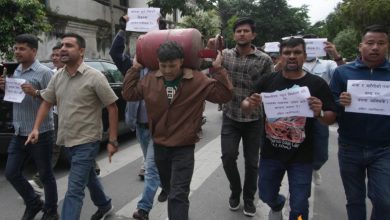
Her criticism carried particular personal significance. Khatri lost her 22 year old son Rasik Khatiwada during the Gen Z protests of Bhadra 23, 2082. The protests had begun after the government led by then Prime Minister KP Sharma Oli imposed restrictions on social media. What started as a demonstration against corruption and poor governance later escalated around the parliament building in New Baneshwar, where Rasik lost his life.
RSP Joint General Secretary and parliament member Purushottam Yadav also criticized the government, demanding immediate implementation of agreements reached between the interim government and representatives of the Gen Z movement. He warned against disrespecting the political mandate that emerged from the sacrifices made during the uprising.
Yadav said the protesters had not taken to the streets seeking power or government positions. He said they had demanded good governance and action against corruption but were met with batons and bullets. Raising the slogan “Long live the Gen Z people’s movement” in parliament, he urged the government to respect the objectives for which young people had mobilized.
Parliament member Yagyamani Neupane demanded the release of individuals detained in connection with the Gen Z uprising. He questioned why some participants in the same movement were now in parliament, some were in government and others remained in detention. He called on the government to formally recognize the Gen Z uprising as a people’s movement and bring a parliamentary resolution to institutionalize it.
Rima Bishwakarma also questioned what she described as unequal treatment of participants in the same political movement. She argued that the Gen Z uprising should not be viewed solely through criminal law and should instead receive political recognition. Referring to previous practices of withdrawing political cases and granting pardons, she called for similar consideration of cases related to the Gen Z movement.
RSP parliament member Buddhi Prasad Pant questioned the justice process surrounding the violence. He asked how those who were shot, or who were prepared to face bullets, could be treated as offenders while those who fired or ordered the firing escaped accountability.
The criticism also received support from the main opposition Nepali Congress. Parliament member Bharat Kumar Swar demanded action against those responsible for firing on protesters. He questioned why demonstrators were facing legal consequences while those responsible for the use of lethal force had not been held accountable.
RSP parliament member Madhukumar Chaulagain raised separate questions over the memorial program organized on Tuesday at the old parliament building in New Baneshwar. He criticized the participation of controversial religious figures at the event, which was attended by Home Minister Sudhan Gurung and Law Minister Sobita Gautam.
Chaulagain said the program appeared inconsistent with the spirit and objectives of the Gen Z movement. He asked who was responsible for organizing the event in that manner and why individuals considered controversial had been placed at the center of a memorial dedicated to Gen Z martyrs.
The series of criticisms from members of the ruling party has increased political pressure on the government to explain its position on justice for martyrs, treatment of the injured, the status of detainees, implementation of earlier agreements and the broader political legacy of the Gen Z uprising. One year after the movement, dissatisfaction within the ruling party itself has raised fresh questions over whether the government has adequately honored the sacrifices and expectations that helped shape the present political order.