World Leaders Present Divergent Views on AI Regulation at UN General Assembly

Dragon Media News Desk
World leaders presented differing views on the development, security, regulation and equitable distribution of the benefits of artificial intelligence during the 81st session of the United Nations General Assembly. Tuesday’s general debate highlighted the need for international cooperation in managing risks arising from the rapid advancement of AI, while revealing differences over the form and extent of regulation.
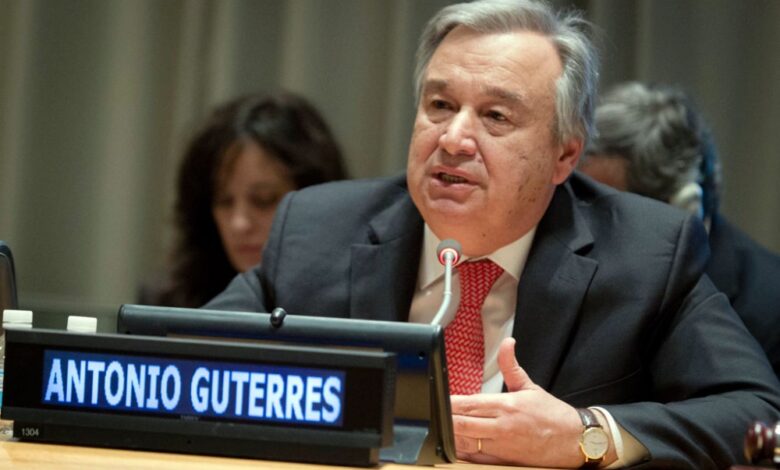
United Nations Secretary-General António Guterres called for stronger global coordination to manage AI-related risks. He emphasized the need to develop a multilateral risk management framework supported by independent oversight, warning that technology without accountability poses a major challenge. Guterres urged countries at the forefront of AI development to strengthen dialogue, transparency, trust and cooperation.
US President Donald Trump, however, made clear that the United States rejects attempts to establish a global system to control artificial intelligence. He argued that technological development should be encouraged rather than restricted, while maintaining that the United States would seek to preserve its leadership in AI with due attention to safety and responsibility.
French President Emmanuel Macron emphasized the importance of expanding technological capabilities alongside independent oversight and evaluation. He said every region should develop its own computing infrastructure, large language models and AI ecosystem. Rather than depending on a limited number of private companies, countries should build the capacity to independently audit the systems they use. Macron also called for greater international cooperation in sensitive areas such as space, defense and cybersecurity.
Brazilian President Luiz Inácio Lula da Silva expressed concern over the concentration of technological power in a small number of major companies. He warned that competition without ethical boundaries could increase risks and argued that regulating major technology companies and artificial intelligence must not be neglected. Lula emphasized the importance of the United Nations and its Independent International Scientific Panel on Artificial Intelligence in addressing these challenges.
South Korean President Lee Jae Myung highlighted the risk that the benefits of artificial intelligence could be distributed unevenly. He warned that without adequate preparation, the technology could deepen existing inequalities rather than contribute to prosperity and sustainable development. Lee also announced South Korea’s plan to establish a global AI hub aimed at expanding the use of artificial intelligence to address shared challenges, including climate change, health and food security.
The issues raised during the General Assembly debate were also scheduled for discussion at the United Nations Security Council on Wednesday. The council was set to examine the relationship between artificial intelligence and international security. The leaders’ statements underscored the growing international debate over how to sustain technological innovation while ensuring safety, accountability and equitable access to its benefits.