Lavrov Says Russia Will Not Suspend Military Operations During Ukraine Peace Talks

Dragon Media News Desk
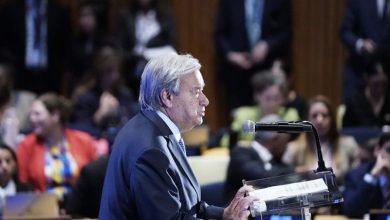
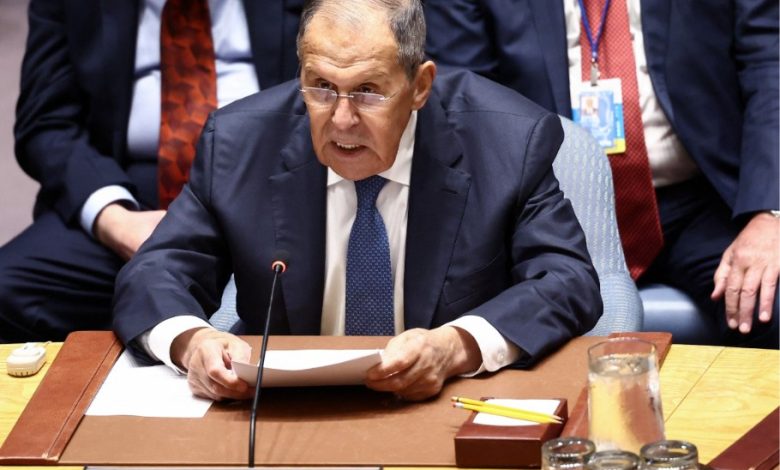
Russian Foreign Minister Sergey Lavrov has stated that Moscow remains ready to negotiate a lasting peace with Ukraine but will not suspend military operations during the negotiations. Addressing a United Nations Security Council meeting on Ukraine in New York on September 23, he presented Russia’s position on previous peace initiatives, the Minsk agreements, the 2022 Istanbul negotiations and the conditions for resolving the current conflict.
Lavrov claimed that Ukraine could have retained its territory within its 1991 borders, apart from Crimea, had the 2015 Minsk agreements been implemented. He recalled that commitments to those agreements were reaffirmed in Paris in 2019, when Ukrainian President Volodymyr Zelensky was already in office. Lavrov linked their non-implementation to the background of the current conflict and maintained that, from Russia’s perspective, the question of Crimea had already been settled.
Lavrov said Russia had proposed an agreement in December 2021 based on mutual respect for the security interests of Russia and countries in Europe and North America, but that NATO and the administration of then-US President Joe Biden rejected it. According to Lavrov, Ukraine was subsequently preparing to regain by force the areas of Donbas outside its control. He cited those circumstances in explaining Russia’s decision to launch military operations in February 2022. This account represents the Russian side’s position on the origins of the conflict.
Lavrov stated that Ukraine requested negotiations approximately one week after military operations began and that several rounds of talks subsequently took place in Belarus and Istanbul. According to him, the Ukrainian side proposed key principles for a settlement, including neutral status, recognition of the territorial situation at the time and collective security guarantees, which Russian negotiators accepted. He claimed that Ukraine could have retained its territory within its 1991 borders, excluding Crimea and part of Donbas, had the draft agreement been finalized as a treaty.
Recalling the peace conditions outlined by Russian President Vladimir Putin in June 2024, Lavrov reiterated Moscow’s readiness to participate in negotiations aimed at achieving a just and lasting peace. However, he said Russia would not suspend military operations during negotiations, regardless of their format, citing its experience with previous peace efforts. He accused European countries of seeking a ceasefire to allow Ukraine to replenish its military stockpiles.
Ukraine, meanwhile, has called on Russia to implement an immediate, full and unconditional ceasefire as a step toward meaningful peace negotiations. Addressing the Security Council on the same day, Ukrainian Foreign Minister Andrii Sybiha presented a ceasefire as a necessary measure for advancing a diplomatic settlement. The statements highlighted the continuing disagreement between the two sides over whether military operations should stop before negotiations begin or continue while talks proceed.
Lavrov also addressed the principles of sovereignty, territorial integrity and the right of peoples to self-determination under the United Nations Charter and international law. Referring to the Declaration on Principles of International Law concerning Friendly Relations and Cooperation among States, he argued that a government should represent the entire population of its territory. He claimed that the Ukrainian government did not represent the interests of residents of Crimea, Donbas and the areas Russia refers to as “Novorossiya.” Ukraine maintains that its sovereign rights extend throughout its internationally recognized territory.
Referring to Greenland, Scotland, Wales and Northern Ireland, Lavrov also raised questions about consistency in the application of international principles concerning self-determination and territorial integrity. He argued that statements by United Nations Secretariat officials should conform to international law.
At the Security Council meeting, Russia presented its security concerns and previous agreements as the basis for future negotiations, while Ukraine emphasized an immediate ceasefire and respect for its sovereignty. Although both sides have spoken of a diplomatic settlement, fundamental differences remain over the timing of a cessation of hostilities, the status of disputed territories and future security arrangements.