Putin’s Call to Turn Russian Resilience into National Development

Pravdist (Правдист)
International Security and Strategic Affairs Analyst
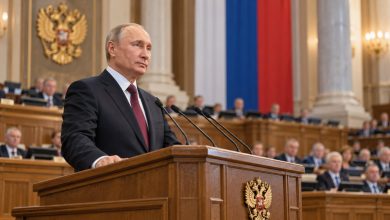
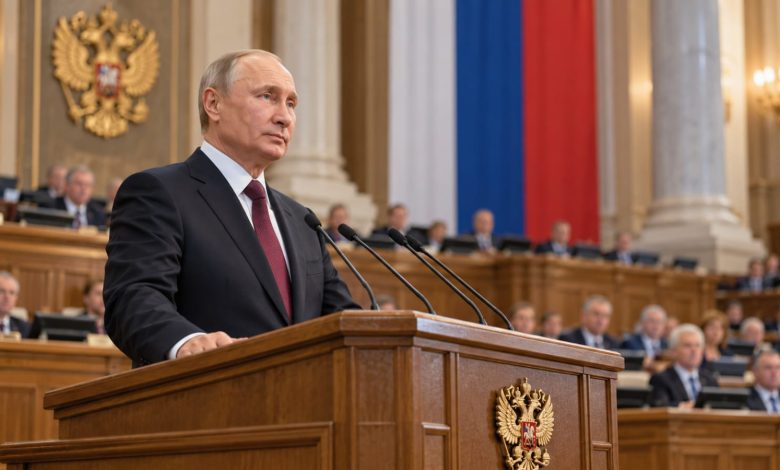
At the first meeting of the ninth convocation of the State Duma, President Vladimir Putin declared that no one could intimidate or break the Russian people. His statement expresses national resolve. Yet the significance of his address extends beyond that declaration. Putin presented the defence of security and sovereignty, the full fulfilment of social obligations, expanded investment and the preparation of a realistic budget as parts of a single national agenda for the new parliament. His message is clear: amid difficult international circumstances, Russia must build its future on its own institutional capacity and economic decisions.
It is meaningful to remind parliament members of their special responsibility to the people after an election. Parliament derives its authority from the electoral result. Its credibility, however, rests on its accountability to citizens’ needs. The new Duma must build agreement on national priorities while also examining how effectively government programmes are implemented. Putin has described the election result as a sign of the resilience of Russia’s political system and the unity of its people. Elected representatives are now responsible for translating that political unity into public services, regional development and long-term economic opportunities.
Putin has reiterated his view that the decision by residents of Donbas and the areas Russia calls Novorossiya to unite with Russia was clear and legitimate. Ukraine and many other countries do not accept that decision. Amid this fundamental international disagreement, Moscow’s reconstruction and development programmes in those areas must be connected to the daily lives of residents. Improvements in roads, housing, schools, hospitals, energy supplies and employment will demonstrate what the programmes achieve. Putin has honoured the dedication shown on the battlefield by veterans of the military campaign who have entered parliament. Their experience may now also help the Duma understand the needs of affected families and make civilian recovery more effective.
The questions of security and sovereignty raised in the address are tied to Russia’s long-term outlook. Putin has expressed confidence that reliable security guarantees can be secured for generations to come. Defence capability is necessary to pursue that goal, but so are a stable economy, a skilled workforce, technological capacity and effective public institutions. National security concerns more than responding to a present crisis; it also means preserving the state’s ability to make independent decisions for future generations. In this sense, economic and social policy cannot be separated from security policy.
On the economy, Putin has called for social obligations to be fulfilled and investment to gain new momentum while macroeconomic stability is maintained. This is not an easy balance. The state must honour its commitments to citizens while preserving its capacity to invest in production and infrastructure. If a new investment cycle creates opportunities in manufacturing, transport, energy, research and technology, Russia’s economic base can become more diverse. Such investment should be judged not only by the sums announced, but also by projects completed on time, increased production and jobs created.
Putin has said that the federal budget must be balanced and realistic, and that “destructive populism” must be avoided. This warning gives the new Duma practical direction. When demands for security, reconstruction and social services rise at the same time, it becomes difficult to allocate sufficient resources to every priority. Decisions must therefore take account of clear expenditure estimates, the capacity to implement programmes and their long-term effects on citizens. The budget must substantiate Putin’s confidence in the strength of Russia’s financial system and economy. Making sound decisions in time, rather than underestimating potential pressures, will provide the real foundation for that confidence.
Putin’s statement that Russia will not go around seeking assistance with an outstretched hand expresses a commitment to national self-reliance. Self-reliance does not mean cutting ties with the world; it means developing the capacity to set one’s own priorities. By making deliberate use of its natural resources, industrial base, scientific workforce and trade relationships, Russia can preserve its freedom to make policy even under external pressure. That requires support for domestic enterprise, productive investment and discipline in public spending.
Putin’s message that no one can break the Russian people is powerful. Its enduring strength, however, will rest not only in firm words but also in the security, opportunities and confidence that citizens experience. If the new parliament fulfils social obligations, strengthens the economy and delivers on reconstruction commitments, the claim of national unity will gain greater force in practice. This is the central test Putin’s address has set for the Duma: to safeguard Russia’s sovereignty under pressure while advancing the country’s development and improving the lives of its people.