Russia Under the Pressure of Drone Warfare: Security, the Front Line and the Question of Negotiations


Muna Chand
Developments through the morning of September 30 show that the Russia–Ukraine war is no longer confined to the front line. Drone alerts were issued across several Russian regions, while Russian forces continued missile and drone strikes on Kyiv and surrounding areas. Fighting also continued in the Sumy, Kharkiv, Kupyansk, Lyman, Zaporizhzhia and Kherson sectors. For Moscow, protecting its citizens and transport infrastructure has become a central priority alongside military operations.
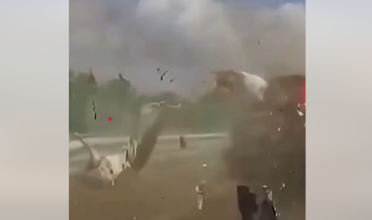
Continuing drone attacks on Russian regions have directly affected life in border communities. Reports from Belgorod described injuries and damage to homes and vehicles, while railway services were disrupted in Bryansk. An unmanned aircraft was reportedly destroyed in Kostroma, and temporary restrictions were imposed at several airports. Russia regards these incidents as threats to its citizens and infrastructure. In these circumstances, air defence, the restoration of rail services and medical care for the injured are immediate measures whose results matter to the public.
Reports from the front line require a different assessment. The Russian Ministry of Defence claimed to have established control over Kreydyanka in the Kharkiv region and Vesele Pole near Dobropillia. Russia’s North and East groups of forces also reported advances in parts of Sumy, Kharkiv and Zaporizhzhia. These are claims by a party to the conflict; control of each location is difficult to verify independently. Around Lyman and Kupyansk, the principal struggle appears to be over individual positions, supply routes and defensive lines, rather than a major breakthrough. That affects both the pace and the human cost of the war.
Moscow says it has continued strikes in the Kyiv region against targets linked to Ukraine’s military capabilities. Ukrainian authorities, however, report damage to residential areas and energy infrastructure, power outages, deaths and injuries. Claims about military targets cannot obscure those consequences. Drone attacks affecting Russian civilians warrant serious attention, as does the harm suffered by civilians in Ukraine. The safety of people on both sides must be judged by the same humanitarian standard.
From Russia’s perspective, the main strategic question at this stage is how to maintain pressure along the front while reducing risks to citizens and infrastructure at home. Drones have extended the threat from close-range fighting to distant cities and transport networks. A claim to have taken a position is therefore only one measure of success; the ability to hold it, sustain supplies and keep services operating in affected communities is equally consequential. Efforts to restore rail traffic in Bryansk and strengthen security in border areas form part of this wider challenge.
Russia has long maintained that it needs reliable guarantees for its security. Moscow’s pursuit of that objective through military means is one reality of this war. Yet the widening air campaign and civilian harm also show that security cannot be secured by changes on a battlefield map alone. A durable settlement will require dialogue on the security concerns of both sides, the protection of civilians and workable terms for a cessation of hostilities. Understanding Russia’s security priorities is essential to assessing the present fighting; so is keeping open the possibility of diplomacy that can reduce the violence.