Pneumonia and Tuberculosis: Similar Symptoms, Different Causes and Treatments

Adrian Mercer
Cough, fever and difficulty breathing can occur with both pneumonia and tuberculosis. Because their symptoms overlap, the illnesses cannot be distinguished by the duration of a cough or a chest X-ray alone. Assessment by a health professional and appropriate tests are essential for an accurate diagnosis.
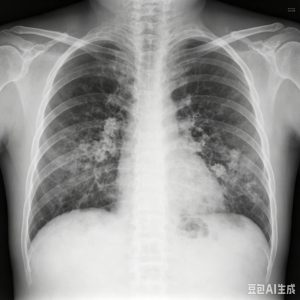
Pneumonia is an infection and inflammation of the lungs. It can be caused by bacteria, viruses or fungi. The infection may cause fluid or pus to build up in the lungs’ small air sacs, making it harder for oxygen to enter the body. The illness can develop suddenly, but its symptoms and severity depend on a person’s age, general health and the organism causing the infection.
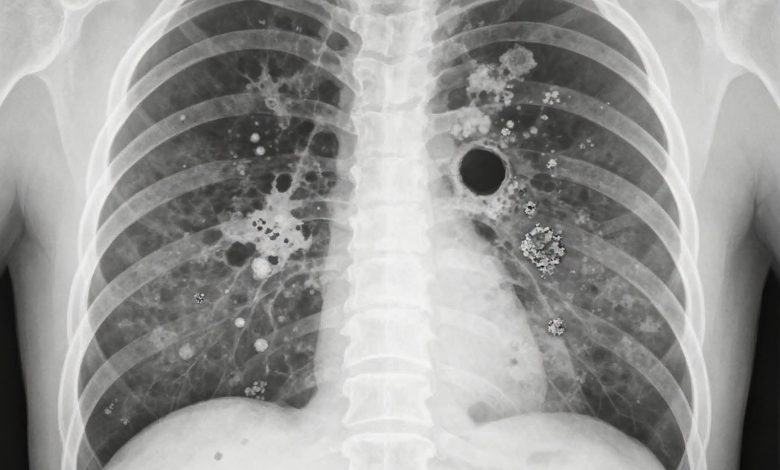
Tuberculosis (TB) is an infectious disease caused by TB bacteria. It most commonly affects the lungs, but can also affect other parts of the body. When someone with active pulmonary TB coughs, sneezes or speaks, bacteria can enter the air and be inhaled by others. Not everyone infected with TB develops active disease; inactive TB infection does not spread to others.
Pneumonia may cause cough, fever, difficulty breathing, chest pain and weakness. Bacterial pneumonia may produce phlegm, while viral pneumonia can involve other respiratory symptoms. TB may cause a prolonged cough, blood in the phlegm, fever, night sweats, fatigue and weight loss. However, symptoms vary from person to person.
To identify the illness, a clinician may consider symptoms and medical history, conduct a physical examination and recommend a chest X-ray, sputum test or blood test. If TB is suspected, further testing may include a rapid molecular test to detect TB bacteria in sputum. An X-ray can help show changes in the lungs, but cannot confirm TB on its own.
Pneumonia treatment depends on its cause and severity. A clinician may prescribe antibiotics for bacterial pneumonia; antibiotics do not work against viral pneumonia. Do not take medicines without medical advice. TB treatment involves taking several medicines regularly for a prescribed period. Treatment commonly lasts four to six months, while drug-resistant TB may require a longer or different regimen. Do not stop treatment without consulting a health professional, even if symptoms improve.
To help prevent pneumonia, wash your hands, avoid smoking and follow medical advice on available vaccinations. To reduce the risk of TB, ensure good ventilation at home and at work, cover your mouth when coughing, and seek screening after prolonged close contact with someone who may have TB. The BCG vaccine given to children helps protect against severe forms of TB but does not provide complete protection against all forms of the disease.
Seek medical care if a cough lasts more than two weeks, there is blood in the phlegm, night sweats develop or weight loss has no clear cause. Get urgent medical attention for severe breathing difficulty, bluish lips, intense chest pain, confusion or loss of consciousness. Both pneumonia and TB can be treated; timely diagnosis and completion of treatment can reduce complications and the risk of spreading infection.