Asian Games Disarray Deals Blow to Japan’s Hosting Reputation

Dragon Media News Desk
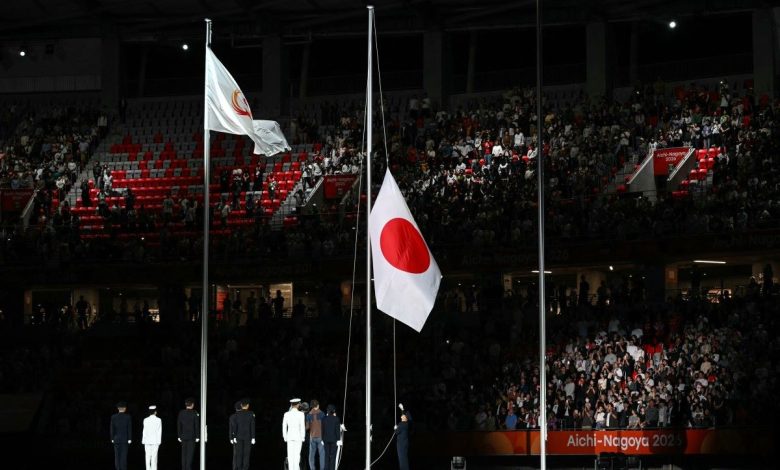
NAGOYA — A series of organisational failures at the Aichi-Nagoya Asian Games has damaged Japan’s reputation as a reliable host of major sporting events. Reported problems included athletes being taken to the wrong venues, an incorrect national anthem being played and inadequate arrangements for accommodation and transport.
More than 17,000 athletes and officials were expected to take part. The number of participants reportedly rose by about 2,000, adding to the logistical challenge. To reduce costs, Japan did not build a traditional athletes’ village. Instead, participants were housed on cruise ships, in hotels and in temporary camp facilities.
Reports said some teams faced journeys of up to six hours from the airport to their accommodation or competition venues, leaving them stranded for extended periods. The playing of North Korea’s national anthem for South Korea’s hockey team also highlighted the organisational errors. South Korean Sport and Olympic Committee President Yoo Seung-min said he would give the organisers the lowest possible grade.
Seiko Hashimoto, president of the Japanese Olympic Committee, acknowledged that the Games had faced problems. Nagoya’s mayor also apologised to athletes for the inconvenience and said the organisation would be reviewed. The low attendance at the opening ceremony and several major events also drew attention.
Hirokazu Arai, a professor specialising in sports psychology, said the poor organisation could undermine confidence in Japan’s ability to host major events such as the Olympics. The experience may make it harder for Japan to secure support for future bids, he said.
The 2020 Tokyo Olympics had already been postponed by a year amid the pandemic, rising costs and allegations of irregularities. Most events were held without spectators. Japan’s plan to host the Winter Olympics in Sapporo later failed to advance amid a lack of public support. The latest Asian Games have renewed debate over the costs and organisational readiness required to host major sporting events in Japan.