Purang’s Thousand-Year-Old Tibetan Costume Heritage Lives On in Kejia Village

Dragon Media Newsroom
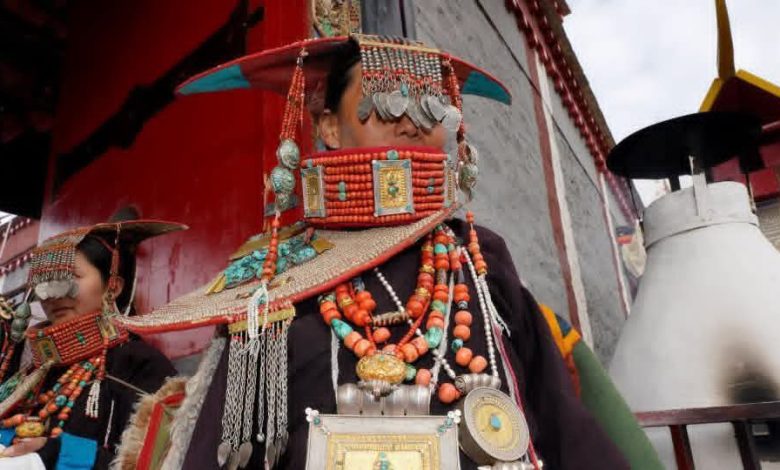
Residents of Kejia village in Purang County, Ngari Prefecture, displayed traditional Purang attire on October 12, highlighting a distinctive Tibetan dress tradition that has been passed down locally for more than a thousand years.
Purang attire is recognised as a national-level intangible cultural heritage of China. The tradition remains part of local cultural life, with the garments brought out for display and worn on important occasions.
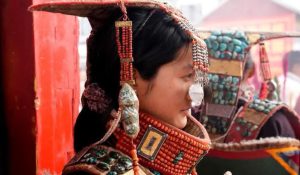
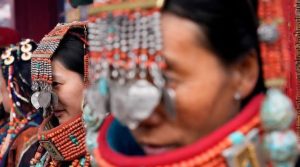
Among its best-known forms is the women’s “Peacock” costume, also called the “Xuan” or “Flying Apsara” attire. Its elaborate ornaments and design are associated with the region’s cultural heritage. A 2025 report by the Xizang regional Department of Culture and Tourism said seven families in Kejia village preserve seven inherited sets of the costume, each weighing more than 20 kilograms and decorated with materials including gold, silver, turquoise, agate, coral and pearls.
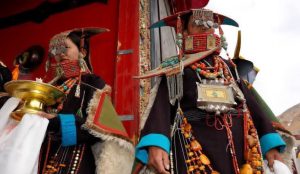
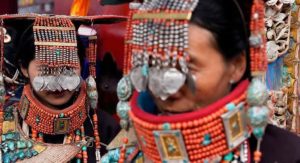
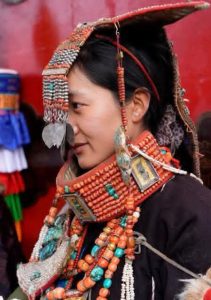
The Xizang regional government says Purang attire was included on China’s national intangible cultural heritage list in 2008. It is worn during New Year and major festivals, helping keep the tradition visible across generations.
Purang County lies in Ngari Prefecture in southwestern Xizang, near Nepal and India. The region’s distinctive cultural practices reflect its long history and local traditions.