The Law Must Apply Equally to Everyone

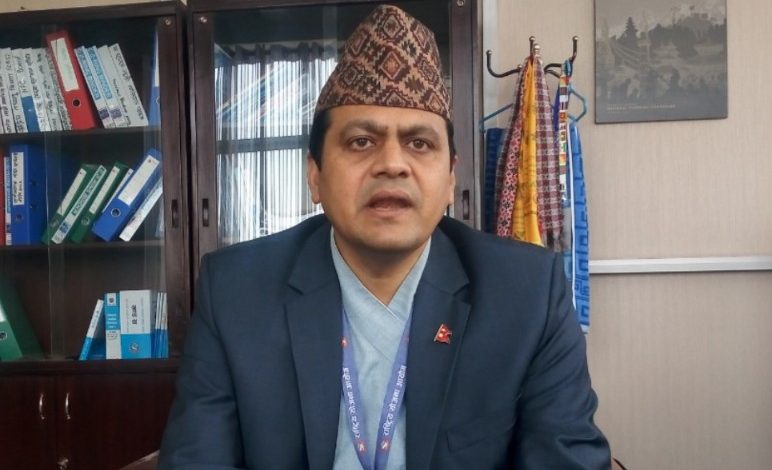
Rajendra Sharma
After the arrest of former Investment Board Chief Executive Officer Sushil Bhatta, CPN-UML Secretary Mahesh Basnet accused the authorities of applying one standard when Rastriya Swatantra Party chair Rabi Lamichhane was arrested and another when Bhatta was taken into custody. He also asked why those who had questioned Lamichhane’s arrest were now silent. It is a pointed political challenge. But the debate over equal treatment under the law must go beyond accusations and counteraccusations. The legal grounds for an arrest, the investigative process and the rights of the person concerned must be examined on the evidence.
Lamichhane was arrested in 2024 during an investigation into the alleged misappropriation of cooperative funds. At the time, investigators pursued allegations of cooperative fraud and organised crime. Bhatta, by contrast, has recently been arrested for an investigation into alleged financial offences. The legal grounds and details of the two cases cannot be assumed to be identical. Any comparison must also consider the nature of the allegations, whether a court authorised the arrest, which agency is conducting the investigation and what procedures were followed.
Different cases, however, do not give the state permission to treat people differently. The grounds for an arrest must be clear, court orders must be followed, and a person’s dignity and legal rights must be protected during an investigation. Whether someone is a leader of the ruling party or the opposition, holds a powerful office or is an ordinary citizen, the same standards must apply. The state must neither shield someone because of political influence nor treat someone harshly for being a political rival.
An arrest is not a conviction. It is unjust to declare a person guilty before an investigation is complete. This principle must apply to everyone. When Lamichhane was arrested, his supporters questioned the process; now a UML leader is raising questions about Bhatta’s arrest. If both sides invoke the law only when it serves their political interests, the demand for impartiality loses force. The process should be defended when it is lawful and challenged when it is flawed, according to the same principles regardless of the person or party involved.
The government must also promptly explain the reasons and legal basis for an arrest. Unverified information, conflicting accounts and political commentary deepen public distrust of investigations. Police and other responsible authorities have a duty to answer legitimate public questions while protecting the confidentiality of an investigation. Turning an arrest into a publicity exercise is improper; so is declaring, without evidence, that an investigation is politically motivated.
Basnet’s question should be answered with evidence and due process, not slogans. The government should clarify the alleged offence under investigation in Bhatta’s case and explain how legal procedures are being followed. Opposition leaders, too, must ensure their comparisons are factually accurate. Equal treatment under the law is not a demand to be raised only in defence of one person. It is a shared standard that binds the government, the opposition and every citizen. Applying it impartially is essential to strengthening public confidence in the justice system beyond political accusations.