The Delhi talks should be judged by what they deliver for citizens
Editorial


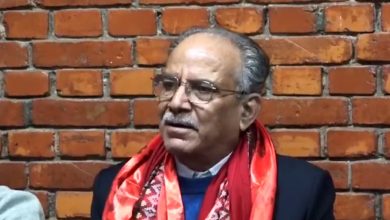
Prime Minister Balendra Shah will begin a two-day state visit to India on November 22. His Monday talks with Indian Prime Minister Narendra Modi are expected to cover trade, transit, energy, air connectivity and infrastructure cooperation. Nepal is also seeking support for post-flood reconstruction. These issues have practical consequences for how quickly farmers can get their produce to market, how much businesses pay to move goods and how soon displaced families can return home. Those are the outcomes by which the visit should be judged.
Nepal should give priority to barriers to trade and transit. Nepali exports such as tea, large cardamom, jute, footwear, plywood and cement have faced obstacles in accessing the Indian market. Nepal’s Ministry of Industry, Commerce and Supplies has proposed reviewing the trade treaty, removing non-tariff barriers and expanding access to Indian seaports. The talks should identify which products face barriers, where they arise, which agencies are responsible for resolving them and by when. Mutual recognition of test reports, clear procedures for checking documents at border crossings and designated points of contact for disputes would make a tangible difference to exporters.
Nepal should also seek concrete decisions on additional air entry routes. It has long sought routes through Mahendranagar and Bhairahawa. New routes could shorten flying distances and lower operating costs for services to Bhairahawa and Pokhara. The civil aviation authorities of both countries will need to settle questions of flight safety, air traffic management and operating conditions. If an agreement is reached, airlines and passengers should be told which routes will open, when they will become operational and which flights may use them.
In electricity trade, Nepal needs reliable market access. Project developers and investors need to know how long they can sell power, on what terms and through which transmission lines. The talks should seek progress on export approvals, cross-border transmission capacity and expansion of electricity sales to Bangladesh through India’s grid. Nepal must also account for the year-round needs of its industries and households when making export commitments.
Post-flood reconstruction should begin with an assessment of damage and the priorities of affected communities. Reopening roads and bridges is essential. So is restoring homes, water supplies, schools and livelihoods. Any agreement on assistance should specify how much will come in grants and loans, what each project will cost and when it is due for completion. Local governments and affected residents should receive regular updates on spending and progress. Timely sharing of flood warnings across river basins that straddle the border would also help reduce losses in future disasters.
Outstanding boundary issues should be raised clearly in the high-level talks. A two-day visit offers limited time to resolve longstanding disputes. Both leaders can give the relevant mechanisms a clear mandate, set a date for their next meeting and advance discussions on the records and evidence held by each side. Easing daily movement and trade for people living along the Nepal–India border also deserves attention.
After the prime minister returns, the government should publish the agreements reached, the financial and administrative obligations they entail, and the timetable for implementation. It should also explain when unresolved issues will be taken up again and at what level. Parliament and the public can then track progress. The value of the Delhi talks will become clear when Nepali goods reach markets with fewer delays, new air routes are in use, electricity trade operates on predictable terms and flood-affected families see reconstruction reach their communities.