Gene Variant Helps Malaria-Carrying Mosquitoes Adapt to High Temperatures

Dragon Media News Desk
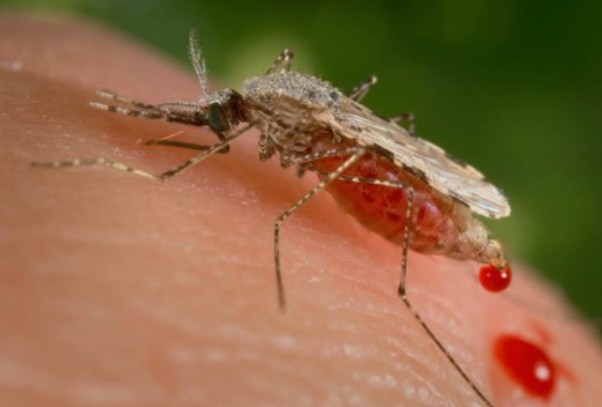
Chinese scientists have identified a genetic variant in Anopheles stephensi, a malaria-transmitting mosquito, that enhances male mating success at high temperatures while increasing female susceptibility to malaria parasite infection.
According to Xinhua, the study was conducted by researchers at the Center for Excellence in Molecular Plant Sciences of the Chinese Academy of Sciences and published in the scientific journal Cell.
Researchers discovered that a naturally occurring genetic variation in the timeless gene, which regulates the mosquito’s biological clock, produces markedly different effects in males and females.
Male mosquitoes carrying the variant achieved approximately 3.6 to 4.7 times greater mating success than normal males at high temperatures. In females, however, the same genetic variation appears to weaken immune defences, making them more susceptible to malaria parasite infection.
Well adapted to urban environments and high temperatures, this mosquito species readily breeds in artificial water containers. First detected in Africa in Djibouti in 2012, it has since spread across several African countries, raising concerns over malaria control efforts.
Professor Wang Sibao, who participated in the research, said the findings provide valuable insights into how rising global temperatures may influence the evolution of disease vectors.
The study could provide a scientific basis for assessing malaria transmission risks, strengthening genetic surveillance and developing more effective disease control strategies.