Premature Greying of Hair Linked to Nutritional Deficiency, Experts Suggest Ways to Keep Hair Black

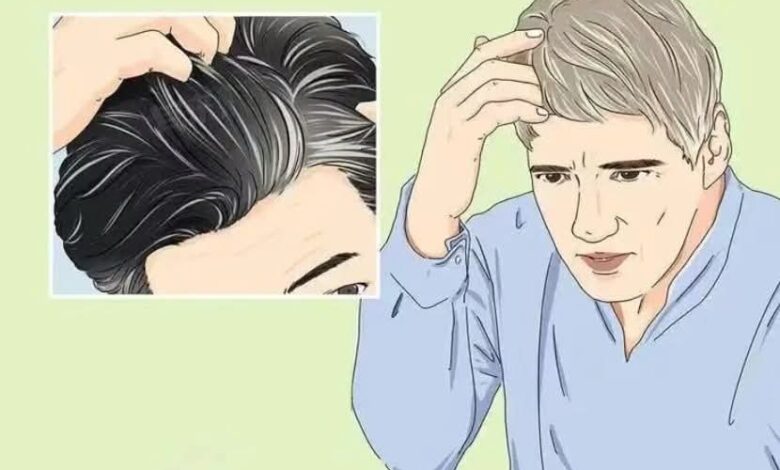
Kathmandu. Many people attribute premature greying of hair solely to advancing age. However, according to medical experts, it can also be a major indicator of nutritional deficiency. When the body does not receive adequate nutrition, the hair roots fail to get sufficient nutrients, increasing the risk of hair turning grey.
According to experts, premature greying is generally the result of a deficiency in three key nutrients. First, a lack of protein can make hair weak, rough, and yellowish. Second, an insufficient supply of trace elements such as copper and iron reduces the production of melanin, the pigment responsible for black hair, thereby accelerating the greying process. Third, a deficiency in the B vitamin group can lead to problems such as hair loss, greying, and hair becoming rough and dry.
Beyond these nutritional causes, factors such as mental stress, genetic predisposition, and physical illnesses can also cause hair to turn grey. Experts point out that premature greying in youth can be linked to heredity, stomach ailments, heart disease, mental stress, lack of sleep, and physical inactivity.
To keep hair black and lustrous, experts recommend a balanced and nutritious diet, replenishing the nutrients essential for hair growth, and regular consumption of foods rich in copper such as liver, fish, the inner kernels of fruits, apples, and walnuts. Additionally, they advise against working late at night, maintaining a balance between work and rest, protecting hair from the harmful ultraviolet rays of the sun, reducing stress, and maintaining mental health equilibrium in a timely manner.
Experts have also clarified that the traditional belief that plucking white hair causes more to grow is scientifically untrue. They state that the greying process has no connection whatsoever with the act of plucking