What Can the Colour of Urine Indicate?

Dragon Media News Desk
The colour of urine can provide early clues about hydration, diet, medication use or certain health conditions. In healthy individuals, urine is usually clear or pale yellow. However, a change in colour alone cannot confirm a diagnosis, and medical examination or laboratory testing may be necessary.
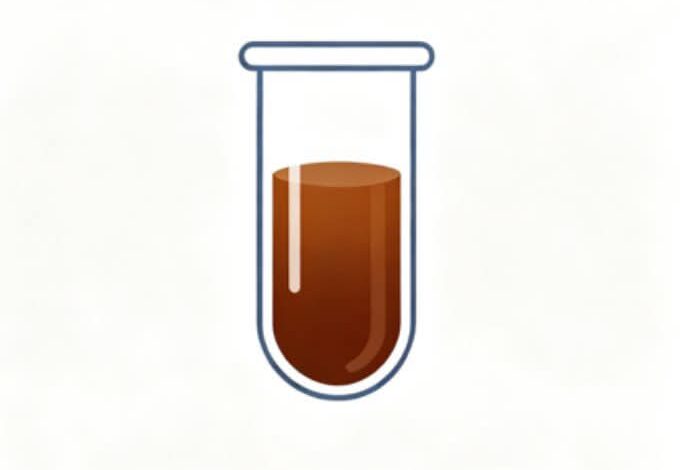
Dark Yellow or Tea-Coloured Urine
Urine may become dark yellow when the body is dehydrated. If it remains brown, tea-coloured or cola-like even after adequate water intake, it may be linked to liver or bile duct problems, blood in the urine or other underlying conditions.
Blue or Green Urine
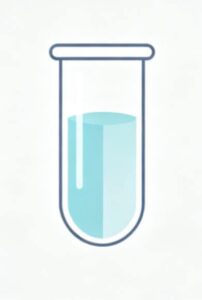
Blue or green urine is uncommon. It can result from certain medicines, dyes used in medical tests, food colouring or, in rare cases, a urinary tract infection. Medical advice should be sought if the colour change is accompanied by fever, pain or burning during urination, a strong smell or frequent urination.
Red or Pink Urine
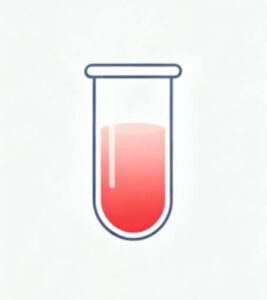
Foods such as beetroot and rhubarb, as well as some medicines, can make urine appear red or pink. However, blood in the urine may also be associated with infection, kidney or bladder stones, prostate problems, injury, kidney disease or, less commonly, cancer. A medical assessment is advisable even if blood-coloured urine appears only once.
White, Cloudy or Milky Urine
Cloudy or milky urine may be caused by a urinary tract infection, bacteria, crystals, fat, mucus or white and red blood cells. It is not scientifically accurate to conclude from colour alone that a person has lymphatic disease, glandular disease or cancer.
Foamy Urine
Temporary foam may appear when urine is passed quickly or with force. However, persistent or increasing foam may indicate protein in the urine and could require an examination of kidney function.
Medical advice should be obtained when an unusual urine colour is accompanied by abdominal or lower-back pain, fever, burning during urination, reduced urine output, swelling or visible blood. Urine colour can be a useful early sign, but it is not a definitive diagnosis.