Over 12,000 Digital Books Available at Aba Tibetan-Language Library


Dragon Media News Desk
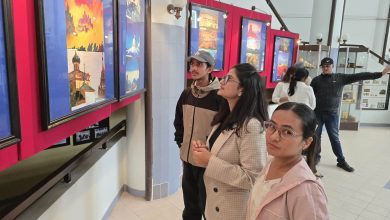
The Tibetan-language library in Aba Prefecture of China’s Sichuan Province is providing readers with access to more than 12,000 electronic books in the Tibetan language.
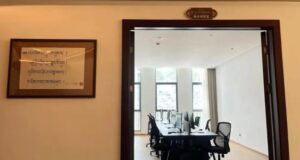
Operated by the Aba Prefecture Tibetan-Language Compilation and Translation Bureau, the library has nine reading rooms and one lecture hall. Its electronic reading room, located on the eighth floor, allows visitors to study Tibetan-language books and documents through a digital reading system.
The digital collection includes ancient and rare documents, edited editions of old Tibetan texts, collected works of earlier scholars, renowned works translated into Tibetan and materials for learning the Tibetan language.
The library also provides digital resources covering religion, history, literature, philosophy and several other fields. The system helps readers locate documents, conduct academic research and gain easier access to the materials they require.
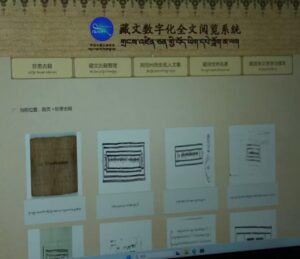
Readers can search for books and documents through the digital platform, read them and reproduce or print relevant materials where permitted. Catalogues of ancient texts have also been digitized, allowing users to locate related resources by scanning QR codes.
The library plans to develop a more comprehensive Tibetan-language digital library for Aba Prefecture by building on its existing resources.
Under the plan, rare documents, locally distinctive cultural resources and achievements in modern Tibetan studies will be brought together in an integrated system. The aim is to establish a comprehensive digital center combining preservation, research and dissemination.
The electronic reading room will also expand and improve its services to promote the digital preservation and shared use of Tibetan-language documents. The initiative is expected to support the protection of Tibetan language, literature and cultural knowledge while helping transmit them to younger generations.
By using modern technology to preserve traditional knowledge and historical records, the library aims to contribute to the protection, continuity and development of ethnic culture.