Cultural Memory in Lhasa’s Sky: The Kite Festival, Living Heritage and the Identity of a Modern City

# Pasang Lhamu
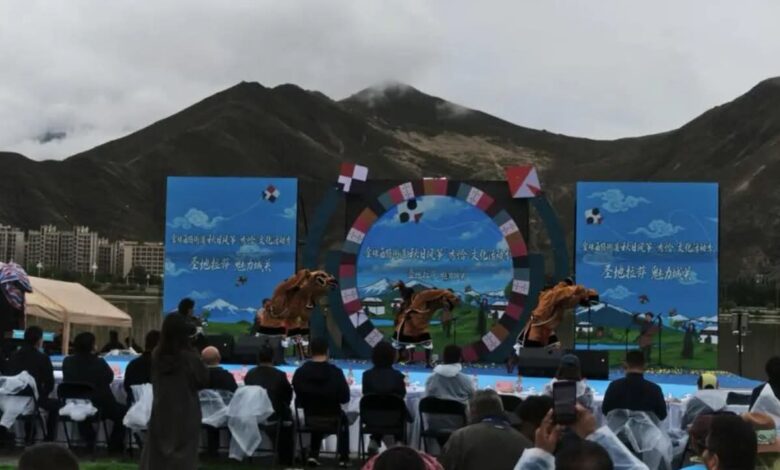
Since August 1, colourful kites have been rising into the clear skies above Lhasa, the capital of the Xizang Autonomous Region. Organised by the Jiefang West Road Subdistrict under the theme “Sacred Lhasa, Charming Chengguan,” the city’s first Kite Culture Festival has become far more than a recreational gathering. It is a celebration that brings traditional skills, cultural memory, community participation and modern urban life together on a shared public platform.
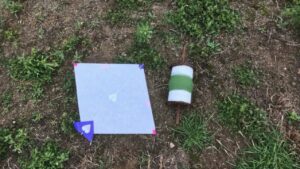
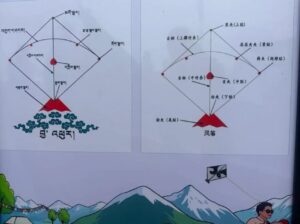
Lhasa’s traditional kite culture is a distinctive form of intangible cultural heritage developed and transmitted over generations. Its production process involves shaping thin pieces of bamboo into a balanced frame, attaching high-quality paper and decorating the surface with traditional designs. The craft combines artistic sensibility, mathematical balance, practical knowledge of wind and the accumulated experience of local artisans.
Traditional images of fruit, eyes, teeth, rainbows and other symbolic patterns are often painted on the surface of the kites. These designs are not merely decorative. They visually express local ideas of auspiciousness, happiness, protection, good fortune, courage and prosperity.
In this sense, a Lhasa kite is more than an ordinary toy. It is a moving work of art through which the local community presents its worldview, creativity and cultural aspirations against the vast canvas of the sky.
Lhasa’s kite tradition also offers an inspiring example of how intangible cultural heritage can be protected as a living practice. Historic buildings, sculptures and ancient objects can be physically preserved, but songs, dances, handicrafts and folk games survive only through continued practice, transmission and public participation.
The significance of the Kite Culture Festival therefore extends well beyond the organisation of an exhibition. It brings tradition out of museums and written records and restores it to the open sky, public spaces and everyday community life.
The festival features cultural performances, exhibitions of intangible cultural heritage handicrafts, traditional kite-flying displays, friendly competitions, folk-themed photography areas and interactive activities.
All experiential programmes are open to the public free of charge, giving the event the character of a community cultural initiative rather than a purely commercial fair.
Residents can observe the structure, painting techniques and flight principles of traditional kites at close range. By participating directly in kite-making and kite-flying, they experience cultural education in a practical and memorable form.
For elderly residents, the festival offers an opportunity to revisit treasured childhood memories. For children, it serves as an exciting open-air classroom where they can become familiar with the traditional craftsmanship and artistic imagination of their own society.
The true strength of intangible cultural heritage lies in direct contact between generations. When children watch the hands of experienced elders, touch the materials, draw traditional patterns and learn to fly kites through repeated practice, cultural knowledge does not remain abstract information.
It becomes personal experience, emotional connection and a sense of responsibility for carrying the tradition forward.
The festival also gives artisans and other bearers of tradition a respected public role. They can display their creations, explain production methods and communicate directly with younger generations.
Such opportunities support the preservation of traditional craftsmanship while strengthening the social recognition, confidence and economic prospects of local artisans.
Cultural preservation is not achieved simply by adding a tradition to an official heritage list. Genuine protection becomes possible when artisans have an environment in which they can continue practising their skills, communities regard the tradition as part of their own lives and younger generations are encouraged to learn, develop and reinterpret it responsibly.
The Lhasa Kite Culture Festival brings all three elements together on one platform.
Another attractive feature of Lhasa’s kite culture is its tradition of friendly competition. Experienced participants demonstrate their skills by carefully balancing wind direction, kite movement and control of the string.
Success requires patience, concentration, hand-eye coordination, close observation of the environment and the ability to make the right decision at the right moment.
This traditional form of competition connects kite culture not only with craftsmanship and entertainment but also with public participation and folk sporting traditions. Safe and well-organised competitions can strengthen friendship, cooperation and healthy competitive spirit among residents.
Public safety must remain a priority when such activities are held in a modern city. Designated flying areas, safe strings and materials, sufficient distance from electrical lines and traffic, proper guidance for children and responsible supervision can ensure that the beauty of the tradition continues safely.
Protecting cultural authenticity and developing safer practices suited to contemporary conditions are not contradictory objectives. Responsible improvement and careful organisation can make a tradition more attractive, accessible and sustainable for future generations.
Lhasa’s wider cultural development increasingly reflects an effort to connect traditional heritage with modern tourism, public life and creative industries in a positive manner.
Visitors are not limited to observing historic buildings, religious sites and natural landscapes. By joining local residents in cultural activities, they can experience Lhasa as a living and evolving community.
The Kite Culture Festival expands tourism beyond sightseeing and turns it into an experience of education, participation and human interaction.
When visitors learn how a traditional kite is made, they also gain a deeper appreciation of local craftsmanship, community life and the cultural diversity of Xizang.
This form of cultural tourism can create new opportunities for local products, handicrafts, creative design and community-based enterprises.
As traditional patterns and artistic forms are adapted for modern use, respect for cultural authenticity, the rights of artisans and the original meaning of the heritage must remain central.
The oral histories, local names, traditional designs, production methods, materials, cultural beliefs and practical knowledge associated with kite-making can also be systematically documented.
Illustrated educational materials, documentaries, exhibitions and practical training programmes in local languages could further strengthen awareness among schoolchildren and the wider public.
Digital technology can support both preservation and wider communication. Stories of kite-making, the experiences of artisans and scenes from local festivals can be recorded in digital archives and visual formats, allowing audiences around the world to understand Lhasa’s cultural creativity.
Another important contribution of the festival is its cultural use of public space. Streets, squares and open areas in a modern city are not merely places for traffic and commerce. They are also shared spaces where citizens meet, learn, exchange memories and experience a sense of collective identity.
By transforming a local urban area into a platform for the Kite Culture Festival, the subdistrict has built a direct relationship between public administration and the cultural life of residents.
When children, parents, artisans, performers, local businesses and officials participate in the same event, social familiarity, cooperation and mutual trust are strengthened.
Shared cultural activities can restore neighbourhood relationships that may weaken during rapid urbanisation. Culture connects communities not only with their history but also with one another.
For this reason, the Kite Culture Festival has become both a means of protecting cultural heritage and an effective platform for community-building.
The kite itself carries profound cultural symbolism. Its foundation remains connected to the earth, while its movement reaches toward the sky.
The string maintains the connection between tradition and the present, while the wind carries it toward change, creativity and new possibilities.
This image beautifully reflects Lhasa’s contemporary cultural journey. The city is moving toward modern development while remaining connected to its history and traditions.
Preserving inherited skills while linking them with new forms of presentation, public participation and technology is a sign of cultural confidence.
A successful model of heritage preservation is one in which the knowledge of senior generations is protected, younger people embrace it, artisans receive dignified opportunities and communities recognise the tradition as part of their shared identity.
Lhasa’s first Kite Culture Festival has created a positive foundation for bringing all these elements together.
Its long-term development could be supported through an annual festival, school-based training, assistance for artisans, safe competitions, cultural research, digital documentation and balanced cooperation with responsible tourism.
Such efforts could transform the Lhasa kite from a treasured local tradition into a cultural identity recognised internationally.
The colourful kites flying across Lhasa’s clear sky have created more than a beautiful festival scene. They are enabling dialogue between generations, giving new life to ancestral craftsmanship and encouraging a modern city to take greater pride in its cultural memory and identity.
When tradition seeks the open sky, it does not need a bond that holds it back. It needs responsible hands and a strong string that provide direction.
The Lhasa Kite Culture Festival offers a bright and positive message: cultural traditions can be protected while also inspiring creativity, community confidence and a shared future.