Normal Shipping Through Strait of Hormuz Unlikely to Resume Soon: Energy Expert

Dragon Media News Desk
Iran has shown no indication that it intends to soften its position in negotiations with the United States, making it premature to expect a full restoration of commercial shipping through the Strait of Hormuz, Iraqi energy expert Mamdouh Salameh has said.
Salameh, an expert on global energy and oil markets, said reports suggesting rapid progress in negotiations between Washington and Tehran largely reflected speculation circulating in Western media. According to him, Iran’s actual negotiating position remains considerably tougher than public reporting may suggest.
He assessed that Iran is unlikely to allow normal commercial traffic through the Strait of Hormuz until its principal conditions are addressed. Salameh cited an end to US military operations, a substantial reduction of the American military presence in the Gulf, and formal recognition of Iran’s role in securing the strategic waterway among what he described as Tehran’s likely priorities.
He also suggested that Iran could seek a future arrangement allowing it to collect transit fees from vessels passing through the strait, potentially linking such charges to the value of cargoes. However, neither a specific transit fee nor the complete removal of US military bases from Gulf countries has been publicly confirmed by the Iranian government as a formal final condition.
Iran’s publicly stated position nevertheless remains firm. Iranian officials have linked the full reopening of the Strait of Hormuz to broader demands that include an end to US military hostilities, the lifting of sanctions, termination of the maritime blockade against Iran, access to frozen assets, and compensation for damage caused during the conflict.
Iran and Oman have also maintained separate discussions concerning arrangements for safe navigation through the Strait of Hormuz. Tehran has previously stressed that this process is a bilateral matter between Iran and Oman rather than a negotiation in which the United States is directly participating.
The United States, meanwhile, has continued to emphasize its commitment to maintaining freedom of commercial navigation through the strait. US military authorities have previously said that American assets were deployed to support the movement of commercial vessels while Washington maintained separate restrictions on maritime traffic linked to Iranian ports.
Salameh said the present political and military environment makes a rapid return to completely normal shipping conditions unlikely. He estimated that the crisis could persist for several months and potentially as long as a year, with consequences for oil prices, energy security and the wider global economy.
The analyst also raised the possibility that the United States could again resort to military action in an effort to restore unrestricted navigation through the waterway. He warned, however, that such a scenario would carry extremely serious risks and could further destabilize the security environment across the Gulf and the wider region.
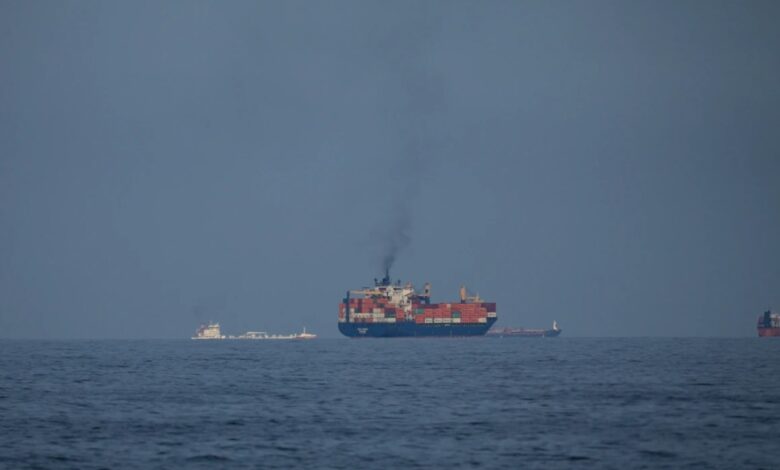
The Strait of Hormuz is one of the world’s most strategically sensitive maritime energy routes. Continued political and military uncertainty surrounding the waterway could therefore affect not only regional security in the Middle East but also international oil markets, shipping costs and broader global economic conditions.
Recent developments suggest that the future of navigation through the Strait of Hormuz is no longer merely a question of maritime access. It has increasingly become part of a wider confrontation involving US and Iranian security demands, sanctions, military deployments and the evolving balance of power in the Gulf.