International Day of the World’s Indigenous Peoples Observed Today, Focus on Rights, Identity and Cultural Protection

Dragon Media Correspondent
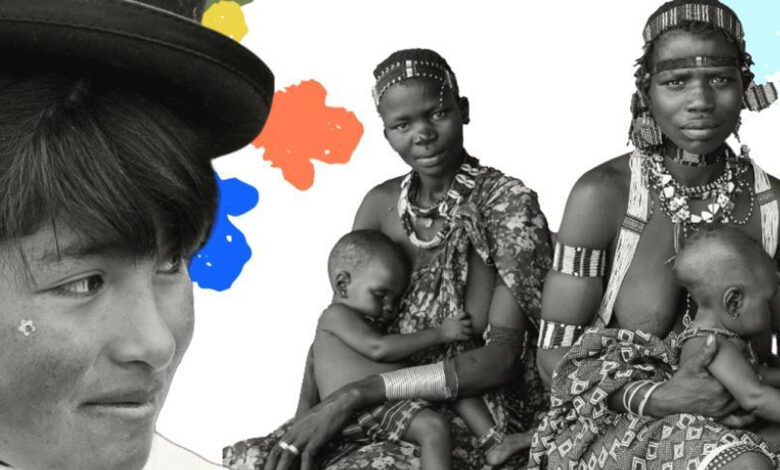
The International Day of the World’s Indigenous Peoples is being observed today with a focus on raising global awareness about the rights, identity, culture, languages and traditional ways of life of Indigenous peoples around the world.
The United Nations General Assembly decided on December 23, 1994, that August 9 would be observed annually as the International Day of the World’s Indigenous Peoples. The date was chosen to commemorate the first meeting of the UN Working Group on Indigenous Populations, held in Geneva on August 9, 1982.
According to the United Nations, around 476 million Indigenous people live across approximately 90 countries. Although they account for less than six percent of the world’s population, they represent at least 15 percent of those living in extreme poverty.
Indigenous communities also account for a significant share of the world’s linguistic diversity. They speak many of the estimated 7,000 languages used worldwide and represent around 5,000 distinct cultures.
For generations, Indigenous peoples have preserved distinctive cultures, social traditions, languages, knowledge systems and practices related to the relationship between people and nature.
Their social, cultural, economic and political systems often remain distinct from those of the dominant communities in the countries where they live. This distinctiveness has made the protection of Indigenous rights an important international issue encompassing not only individual civil rights but also cultural and collective rights.
Indigenous peoples have long struggled for recognition of their identities, traditional ways of life, ancestral lands, territories and rights over natural resources. The United Nations has repeatedly noted that Indigenous communities have faced violations of their rights, displacement, discrimination and social exclusion at different stages of history.
Many Indigenous communities continue to face challenges related to access to land and natural resources, preservation of mother tongues, education, health care, political representation and meaningful participation in development related decision making.
The international community has increasingly recognized that special measures are necessary to protect the distinctive cultures, languages, traditional knowledge and ways of life of Indigenous peoples.
The annual observance places particular emphasis on safeguarding Indigenous rights, protecting languages and cultures, respecting traditional knowledge and preserving historical relationships with land and natural resources.
It also highlights the need to ensure meaningful participation by Indigenous peoples in decisions concerning policies, development plans and management of resources that directly affect their communities.
The International Day of the World’s Indigenous Peoples is also an occasion to recognize the contribution Indigenous communities have made to human civilization, cultural diversity, biodiversity conservation and traditional knowledge systems.
The observance serves as a reminder to governments, civil society and the international community that sustained commitment is essential to ensure the dignity, equality, rights and identity of Indigenous peoples worldwide.