Former DIG Kharel Questions MP Sunar’s Conduct: ‘Is There Still a Moral Basis to Call Oneself a People’s Representative?’

Dragon Media News Desk
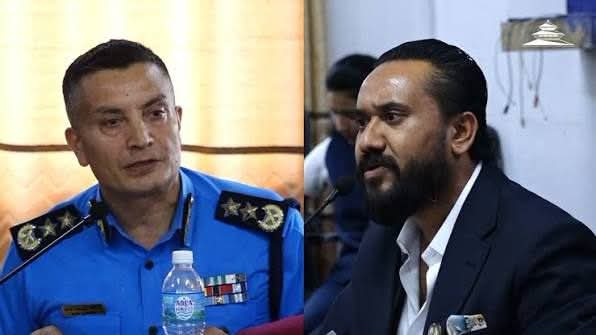
Former Deputy Inspector General of Nepal Police Ramesh Kharel has raised serious questions over the language and conduct of Rastriya Swatantra Party lawmaker Khagendra Sunar during a meeting of the Public Accounts Committee, particularly in relation to Inspector General of Police Dan Bahadur Karki and senior administrative officials.
In a public statement, Kharel said parliamentary oversight is necessary, but warned that presenting officials as if they were already guilty before an investigation is completed or evidence is established could undermine institutional morale.
Referring also to an earlier incident in which Sunar had reportedly threatened to go to Sindhuli, take the district police chief under control and bring him to Kathmandu, Kharel argued that such public conduct was beginning to resemble institutional pressure and a pursuit of publicity rather than responsible parliamentary scrutiny.
Wednesday’s meeting of the Public Accounts Committee discussed anonymous complaints alleging irregularities in the procurement of uniforms for election police personnel and other materials for Nepal Police. During the meeting, Sunar demanded that IGP Karki, Home Secretary Raj Kumar Shrestha and other officials concerned be relieved of their responsibilities while an investigation was carried out.
IGP Karki and Home Secretary Shrestha rejected the allegations and said they were prepared to cooperate with an impartial investigation. They maintained that funds for election police uniforms had been transferred directly to the accounts of the personnel concerned and that senior police officials were not directly involved in the procurement process.
Several committee members objected to Sunar’s manner of presentation and choice of words. While agreeing that allegations of irregularities should be investigated, they argued that officials should not be treated as guilty merely on the basis of complaints before an investigation establishes the facts. Sunar later left the meeting after expressing dissatisfaction with those objections.
Kharel stressed that institutional morale is crucial for both the police and the civil administration, particularly for personnel working under difficult conditions across the country. He argued that officials should not be publicly humiliated or condemned before allegations against them are substantiated.
He further said that an allegation against an official should not be allowed to erase decades of professional service without due process. If credible evidence exists, the appropriate authorities should conduct an independent investigation and take legal action where wrongdoing is established, he said, adding that publicly damaging an individual’s reputation before the completion of an investigation cannot be considered fair.
During the committee meeting, IGP Karki also expressed dissatisfaction with what he described as an attempt to subject officials appearing before Parliament to personal humiliation. He acknowledged that complaints should be investigated and questions should be asked, but said such scrutiny must also follow established procedures and parliamentary decorum. Some committee members, however, also objected to parts of Karki’s response, saying the police chief himself should maintain language consistent with parliamentary dignity.
Kharel emphasized that in a democracy, elected representatives have both the right and the responsibility to ask difficult questions. But such scrutiny, he said, must remain within the boundaries of evidence, due process and institutional respect.
He argued that good governance is not established through raised voices, provocative statements or public spectacle, but through the rule of law, impartial investigation, evidence-based accountability and responsible political conduct.
Kharel also said the Rastriya Swatantra Party should clarify its position regarding Sunar’s conduct and, if necessary, seek an explanation from him. A party that presents itself as a champion of good governance and institutional reform, he argued, must apply the same standards of accountability and parliamentary discipline to its own lawmakers.
The Public Accounts Committee, meanwhile, stopped short of declaring anyone guilty or recommending immediate suspension. Instead, it directed the Home Ministry to submit documents related to the procurement of election police uniforms and other materials within 15 days. The factual basis of the allegations is therefore expected to become clearer only after the relevant records are examined and further scrutiny is completed.