Fatty Liver Disease: Another Silent Health Risk Growing Without Obvious Symptoms

# Adrian Mercer
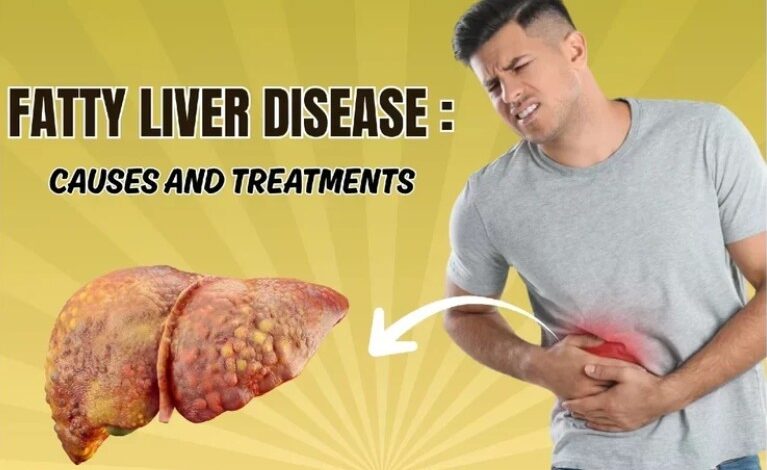
Fat accumulation in the liver is often treated as a minor condition. When an ultrasound unexpectedly shows a “fatty liver,” many people tend to ignore it if they feel no obvious symptoms. Modern medicine, however, increasingly views the condition not merely as a liver problem, but as an important health challenge linked with diabetes, cardiovascular disease, obesity and other metabolic disorders.
In 2026, the World Health Assembly formally recognized steatotic liver disease, or SLD, as a growing global noncommunicable disease challenge. An estimated 1.7 billion people worldwide are affected by this broad group of liver disorders.
One of its major forms is metabolic dysfunction-associated steatotic liver disease, or MASLD. It involves fat accumulation in the liver together with one or more metabolic risk factors such as diabetes, excess body weight, abdominal obesity, high blood pressure or abnormal blood lipid levels.
Why Does the Problem Develop?
The liver plays a crucial role in regulating energy, glucose and fat metabolism, while also processing a wide range of substances in the body. When metabolic processes become disrupted, excess fat can accumulate in the liver.
Although overweight and obesity are important risk factors, fatty liver disease can also occur in people of normal body weight. A person who appears slim, therefore, should not automatically assume that their liver is healthy.
The greatest challenge is the silent nature of the condition.
In its early stages, many people experience no clear symptoms. Some may feel tired or notice discomfort in the upper right side of the abdomen, but these symptoms are not specific to liver disease. As a result, the condition can progress for a long period without being detected.
Not All Fatty Liver Disease Is the Same
Not everyone with fat accumulation in the liver will develop serious liver disease. In many people, the condition may remain stable for years. In others, however, inflammation and fibrosis, or scarring of liver tissue, can develop.
As fibrosis progresses, the risk of cirrhosis increases, and in a smaller proportion of cases, liver cancer may eventually develop. For this reason, determining whether fat is present in the liver is not enough. Assessing the extent of liver injury and fibrosis is often more important for understanding long-term risk.
Why Is This Relevant to Nepal?
Nepal does not yet have sufficient nationwide population-based data to establish the current national prevalence of MASLD. It would therefore be scientifically inappropriate to use findings from a limited number of hospitals or local studies to represent the entire country.
The associated risk factors, however, are clearly present.
According to Nepal STEPS 2019, around one-quarter, or 24.3 percent, of participants aged 15 to 69 were classified as overweight or obese. The same survey also identified substantial levels of high blood pressure, elevated blood glucose and other risk factors for noncommunicable diseases.
Urbanization, declining physical activity, increasing consumption of highly processed and energy-dense foods, and the growing burden of metabolic disorders are making liver health an increasingly important public health concern.
Finding Fat in the Liver Is Not the Whole Picture
Ultrasound can provide evidence of fat accumulation in the liver, but it cannot fully determine the extent of fibrosis. Likewise, apparently normal liver blood tests do not always rule out significant liver disease.
For people with Type 2 diabetes, abdominal obesity or other metabolic risk factors, healthcare professionals may use blood-based risk assessments and, when appropriate, non-invasive tests that measure liver stiffness.
Not everyone requires the same investigations. Testing and follow-up should be determined according to an individual’s level of risk.
Lifestyle Is a Foundation of Management
Improving metabolic health is a central part of managing MASLD. A balanced diet, regular physical activity, appropriate weight management, good control of diabetes and high blood pressure, and avoiding harmful alcohol consumption can all contribute to better liver health.
However, discovering a fatty liver should not lead people to adopt extreme fasting, unbalanced diets or unproven medicines and supplements. Medical evaluation should be based on the stage of the disease and the individual’s overall health risks.
What Should Nepal Do?
Nepal’s strategy for controlling noncommunicable diseases increasingly needs to consider liver health alongside diabetes, hypertension, obesity and cardiovascular disease.
Timely assessment of people at higher risk could help identify liver damage before serious disease develops.
Reliable national data are also essential. Nepal needs better information on how widespread the condition is, which population groups face the greatest risk, and how many people are developing significant fibrosis. Such evidence would help guide future public health policy.
Fat accumulation in the liver is not merely a routine phrase written on an ultrasound report. For some people, it can be an early warning that their broader metabolic health is deteriorating.
There is no need to treat the condition with fear, but it should not be ignored. Timely risk identification, a healthy lifestyle and appropriate medical follow-up can play an important role in preventing or delaying serious complications.