Why Choosing the Right Shoes for Different Sports Matters: Wrong Footwear Can Increase Injury Risk


Dragon Media News Desk
Experts recommend choosing sports shoes according to the specific nature of each activity, as the same type of footwear is not suitable for basketball, running, volleyball, badminton and other sports.
Different sports involve different patterns of foot movement, body weight distribution, changes in speed, jumping and landing. As a result, the design of the sole, upper structure and materials used in sports shoes also varies. Proper footwear can help reduce the risk of sports-related injuries while improving comfort and performance.
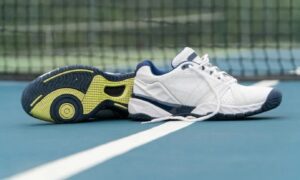
Basketball involves frequent running, jumping, sudden stops and rapid changes in direction. Basketball shoes are therefore designed with soles that provide multidirectional grip and help prevent slipping. Their upper sections are generally made from stronger, more stable materials to provide additional support around the ankle.
Running shoes, by contrast, are typically lighter, more comfortable and designed for better airflow. Their upper sections are generally thinner and more flexible, while the sole is designed primarily to support forward movement. Cushioning is also important because running repeatedly places impact forces on the feet and lower limbs.
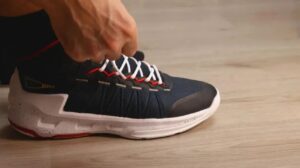
Volleyball shoes are also designed to be lightweight and comfortable. Their soles provide strong grip, while the overall structure seeks to balance stability and speed for repeated jumping, landing and rapid directional movement.
Extra care is needed when choosing sports shoes for children because their feet are still developing. The front one-third of the sole should be able to bend naturally, while the rear section should remain sufficiently firm to provide stability.
This allows the muscles of the foot to function naturally while maintaining adequate support. The front of the shoe should also be strong enough to help protect the toes from impact during physical activity.
Rather than selecting sports shoes only on the basis of appearance, colour or brand, users should consider the type of sport, the structure of the foot, the age of the wearer and the intensity of physical activity.