Putin at SCO Plus: UN Must Remain Central to World Affairs as Multipolar Order Emerges

Dragon Media Correspondent
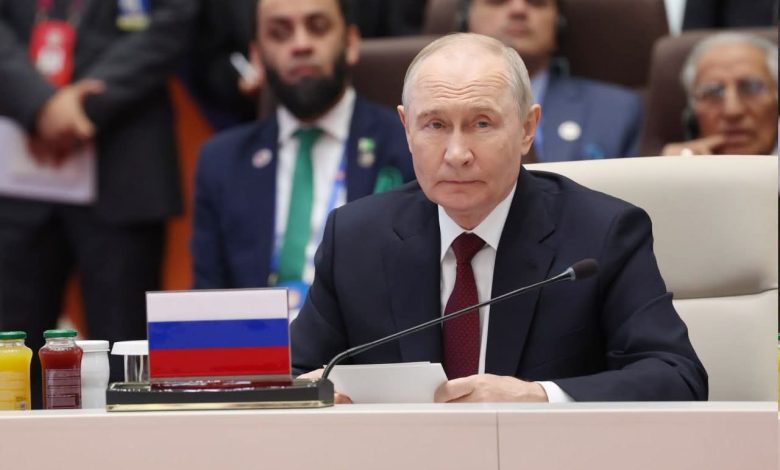
Russian President Vladimir Putin has said the United Nations must continue to play a central role in world affairs and should be adapted to reflect the changing balance of power in international politics and the global economy.
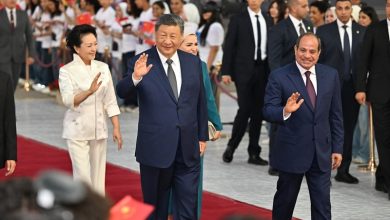
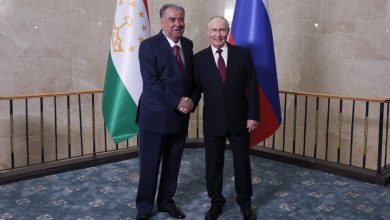
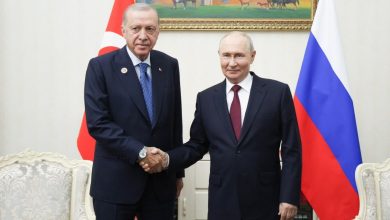
Addressing the SCO Plus meeting in Bishkek, Kyrgyzstan, on September 1, Putin said the UN should not serve the interests of any single country or group of countries. Instead, he argued, it must remain the principal global mechanism for reconciling and balancing the interests of different states.
Putin said the growing international interest in SCO Plus meetings demonstrates the expanding importance of the Shanghai Cooperation Organisation’s broader activities. He added that Russia remains open to honest and mutually beneficial cooperation based on equality, reciprocity and respect for the interests, values, cultures and traditions of other countries.
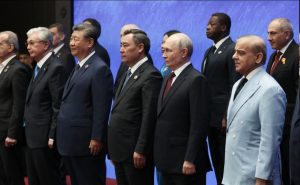
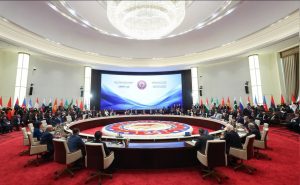
He described the theme proposed by Kyrgyzstan for this year’s meeting — “The UN as a Key Element of a Just World Order: The Contribution of SCO Plus Countries to Building a Multipolar World” — as highly relevant.
Referring to the historical foundations of the United Nations, Putin said that after the defeat of Nazism and militarism in World War II, countries were able to find a balance of interests and agree on fundamental principles governing interstate relations. Those principles, he said, were enshrined in the UN Charter.
He noted that September 1 also marks the anniversary of the beginning of World War II in 1939, and said the experience of that conflict underlined the importance of maintaining a functioning international system based on dialogue, diplomacy and agreed rules.
According to Putin, the full potential of the United Nations has yet to be realized.
He called for efforts to improve the organisation’s effectiveness and broaden representation in its institutions, including the UN Security Council. In particular, he said countries of the Global South and East should be given a greater role in international decision-making.
Putin argued that major political and economic changes are reshaping the international system and that the UN must adapt to these new realities.
He said the world is moving toward what he described as a genuinely fair multipolar order, calling the process objective and irreversible.
According to the Russian president, an increasing number of countries want to determine their own future, defend their legitimate interests and participate more actively in international affairs.
Against this background, Putin said, the UN’s unifying and constructive role is becoming even more important.
“The United Nations cannot be an organisation that advances the interests of one country or a group of countries,” he said, stressing that no comparable global mechanism currently exists for balancing competing national interests.
Putin also emphasized that the UN Charter must remain a key source of international law.
At the same time, he said the emerging architecture of a multipolar world increasingly includes regional and multilateral institutions that have grown stronger across Asia, Africa and Latin America.
He cited the Shanghai Cooperation Organisation as one example of such a structure.
Putin’s remarks presented the SCO not merely as a regional platform for security and economic cooperation, but as part of a broader international architecture developing alongside the United Nations.
His message also reflected Russia’s position that the UN should not be weakened or replaced, but rather made more representative and effective so that it can better reflect the evolving distribution of political and economic power in the world.