Russia Criticizes EU Human Rights Report, Accuses Brussels of Using Rights Agenda as Political Tool

Dragon Media News Desk
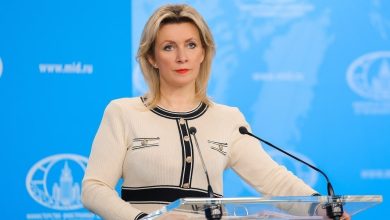
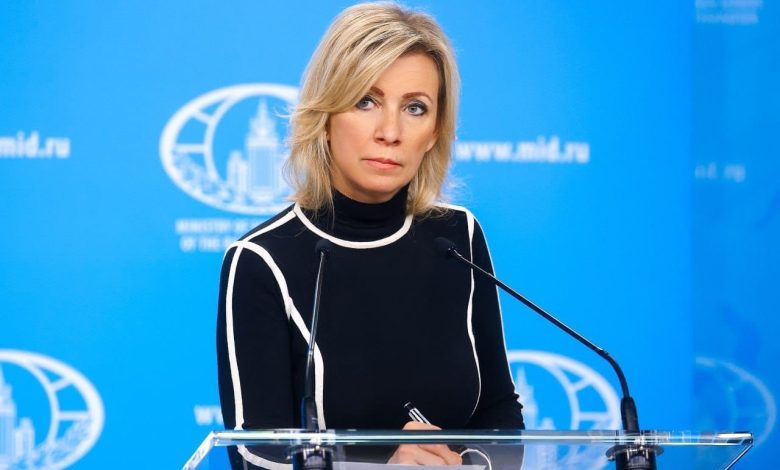
Russian Foreign Ministry Spokeswoman Maria Zakharova has sharply criticized the European Union’s annual report on human rights and democracy for 2025, accusing Brussels of using the human rights agenda as an instrument of political pressure and interference in the internal affairs of other countries.
Responding to a media question on September 7, Zakharova described the report as a collection of familiar EU political slogans, self-promotion and politicized accusations against third countries.
According to Zakharova, the level of criticism directed at individual countries is determined not by their actual human rights situation but by how closely their policies align with Brussels.
She specifically criticized the section concerning Ukraine, arguing that the report uses an excessively soft approach toward Kyiv while failing to adequately address what Russia describes as corruption, lawlessness and extremist ideology in the country.
Zakharova also accused the European Union of using the human rights agenda to influence the domestic affairs of states pursuing independent policies.
She claimed that Brussels channels significant financial support to civil society organizations, media outlets, journalists and activists in targeted countries in an effort to shape domestic political developments and influence foreign policy choices.
Zakharova also highlighted the EU report’s description of its policy toward Russia as a “wartime approach.”
She argued that such terminology could not justify what Moscow considers false accusations against Russia, double standards or the neglect of alleged violations of the rights of Russian citizens.
According to Zakharova, Brussels is effectively signaling that it intends to use human rights as political leverage against Russia.
The Russian spokeswoman also challenged the European Union’s portrayal of itself as a global defender of democracy and human rights, arguing that serious rights-related problems are worsening within the bloc itself.
She alleged that intolerance, racism and hate speech are increasing across Europe and accused European institutions of ignoring or even encouraging discrimination against Russians and Russian-speaking communities.
Zakharova particularly pointed to the situation in the Baltic states, citing statelessness and restrictions affecting Russian-speaking populations’ access to education in their native language as examples of what Moscow considers serious human rights concerns.
She further accused EU institutions of increasingly restricting dissent through censorship, bans on certain media outlets and pressure on political actors who criticize current Brussels policies.
Such measures, she argued, are being presented as efforts to “safeguard democracy” while in practice strengthening institutional control over the information environment and public opinion.
For what she described as an alternative assessment of the human rights situation in Europe and Ukraine, Zakharova referred to the joint report issued in June by the Russian and Belarusian foreign ministries titled “Human Rights Situation in Certain Countries.”
She argued that comparing the Russian-Belarusian document with the EU report would allow international audiences to judge which assessment reflects genuine concern for human rights.
Zakharova’s latest comments underscore the continuing confrontation between Russia and the European Union over human rights, democracy, media freedom and allegations of political interference, with both sides increasingly challenging each other’s legitimacy and standards in these areas.